Council hears P3 Works presentation on public improvement districts and tax increment zones
Loading...
Summary
A P3 Works representative briefed Joshua City Council on how public improvement districts (PIDs) and tax increment reinvestment zones (TIRZ) can finance infrastructure for development; council members asked about assessment distribution, foreclosure risk, developer contributions and local examples including Joshua Station.
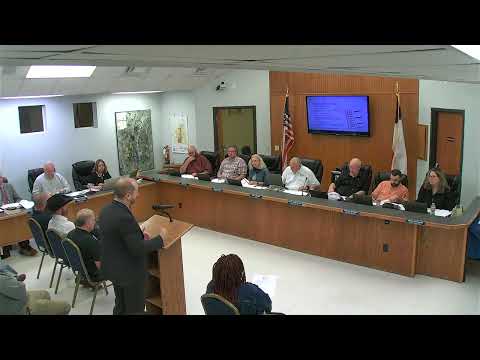
P3 Works gave a detailed primer to the Joshua City Council on Tuesday night about public improvement districts and tax increment reinvestment zones as tools cities use to finance infrastructure for new development.
George Sawyer, regional director at P3 Works, told the council a PID is a city-created financing mechanism that allows an identified area to be assessed for specific improvements. He said assessments typically are flat by lot class (for example, by lot width) and are used either to reimburse developers or to service bonds used to pay for roads, utilities and other infrastructure. "Assessments are used to make debt service on bonds or reimburse back to the developers specifically," Sawyer said.
Sawyer described several structures: pay-as-you-go PIDs that collect assessments as development proceeds, and bond or reimbursement structures that provide upfront construction financing. He said assessments are generally attached to the property and collected through the tax assessor, but homeowners can prepay their assessment and thereby end the obligation. He also said, under the statute, unpaid annual installments can lead to foreclosure on the property but that in practice mortgage holders or developers frequently cure small delinquencies. "If someone doesn't make that $100 payment, the city could step in and foreclose," Sawyer said, adding that mortgage companies often step in to pay missed installments.
Council members pressed on fairness and limits. They asked how the city would prevent over-assessing homeowners and whether the city could limit what costs are rolled into a PID. Council members and staff said they would seek to restrict assessments to unusually expensive infrastructure items that otherwise block development, and to require developers to contribute to feasibility and analysis costs. "The developer needs some skin in the game," one council member said.
Sawyer also outlined TIRZs (tax increment reinvestment zones), which capture increases in property tax value above a base value for a designated period and direct that increment to specified projects. "A TIRZ is a line over an area where a city is initiating what will be done with the taxes collected," Sawyer said, noting common practice is a 30-year term though statute allows up to 45 years.
Council members discussed a local example: a prior 20-year financing arrangement around Joshua Station that only partially developed. Staff said the city declined a requested extension; the TIRZ ended in 2024 and the city saw the first year of revenue flow back to the general fund. Officials said lessons from that project will shape any future PID or TIRZ proposals.
The presentation concluded with staff and council agreeing that if the city moves forward it should ask a consultant to produce a realistic, localized assessment model and require clear disclosure to prospective home buyers about any assessments tied to a property. Sawyer said his firm often helps cities administer PIDs and negotiate developer agreements.
Next steps: staff said they will continue to vet options, pursue a professional-services agreement if the city opts to go further, and return to council with more concrete cost and boundary proposals.