Get Full Government Meeting Transcripts, Videos, & Alerts Forever!
Get email alerts on the Industrial Valuation topic
No spam. Unsubscribe anytime.
Owners and appraisers clash over valuation of inactive CEMEX plant in Hernando County
Summary
A complex hearing on petitions for an inactive cement/mining facility exposed wide gaps between the county appraiser’s cost‑based estimate and the petitioner’s valuation; disputes focused on building square footage, the market value (or lack thereof) of very tall processing bays, silo valuation and whether land should be valued for mining or agricultural uses.
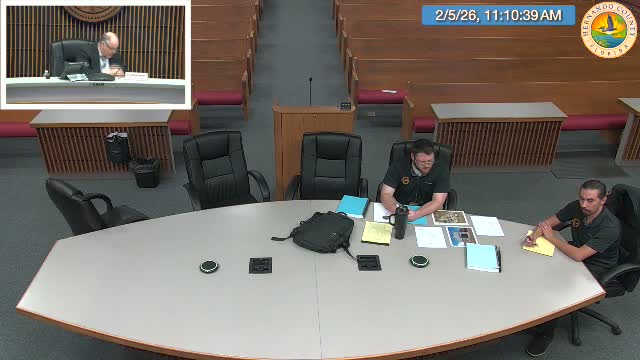
BROOKSVILLE, Fla. — An extended, technical hearing on Feb. 5 over the valuation of a large, partly inactive cement and mining facility centered on sharply different valuations and competing appraisal methods.
The contested parcels (petition 253 and related petitions 255 and 256) cover an integrated plant with dozens of buildings, high‑bay processing halls and multiple concrete silos. Daniel Scott, representing the property appraiser’s office, presented a detailed, more than 200‑page packet that used Marshall & Swift cost multipliers, bushel‑based silo conversions and a reconciliation that included land comps. The appraiser’s cost approach produced a multi‑million‑dollar indicated value (after a 15% cost‑of‑sale adjustment) substantially higher than the petitioner’s estimate.
Petitioner representative Sam Wan testified verbally because his written packet had not arrived at the clerk’s office in time. Wan said his independent cost and sales analysis produced a lower combined value (approximately $9.07 million after a 15% adjustment) and applied higher functional obsolescence for tall manufacturing bays that the petitioner argued are largely unusable in current market practice.
Magistrate Steven Nystrom and both sides concentrated on three technical disputes: first, whether large vertical volume in structures (one appraiser described a building approaching 90 feet at the peak) yields usable, marketable floor area or represents functional over‑improvement; second, how to treat heavy, site‑specific manufacturing equipment that may be difficult or costly to remove; and third, how to value multiple large silos — the appraiser converted silo volume into ‘bushels’ per Marshall & Swift and assigned high unit costs, then applied substantial depreciation.
Daniel Scott said appraisers inspected the site in 2023 and 2025, measured higher floor heights and counted structures and silos that the petitioner’s packet either omitted or measured differently. Scott cautioned the petitioner’s smaller square‑foot measurements and inconsistent wall‑height inputs produced a substantially lower cost approach. The appraiser estimated a consolidated indicated value (after 15% cost of sale) in the multi‑million‑dollar range and noted sizable land valuations if the agrarian/mining comparables were applied.
Wan acknowledged the inherent difficulty of an entirely verbal presentation and the complexity of the property. He urged the magistrate to give weight to functional and external obsolescence and questioned whether entrepreneurial profit or typical developer profit margins should be applied given the property’s long‑term inactivity. Wan said he would pursue a good‑cause filing to supply the missing written packet but opted to proceed verbally to preserve an on‑the‑record presentation.
Magistrate Nystrom said the record would require a careful audit of cost approaches, square‑foot measurements and silo calculations; he left open the possibility that the Value Adjustment Board administration could consider a reschedule if the petitioner provides documented proof of delivery delays. The magistrate closed the hearings on the industrial parcels and said he would base recommendations on the totality of the written and oral record.
Why it matters: These parcels are large and specialized. Even modest percentage changes in appraised value can alter the county roll substantially and set a precedent for valuing inactive industrial sites with expensive, site‑specific equipment.
What happens next: The petitioner may file a formal good‑cause request and submit the written packet; the magistrate said he would audit appraiser calculations and issue a written recommendation for the board’s consideration.