Get Full Government Meeting Transcripts, Videos, & Alerts Forever!
Get email alerts on the Residential Assessments topic
No spam. Unsubscribe anytime.
Hernando County value hearings cover dozens of residential assessment disputes
Summary
The Value Adjustment Board heard multiple appeals on Feb. 5 as appraisers and petitioner representatives disputed assessment methods, comparable sales, and cost‑of‑sale adjustments for single‑family properties across Spring Hill and Brooksville. Magistrate Steven Nystrom said he would weigh size, age and outlier comparables in recommendations.
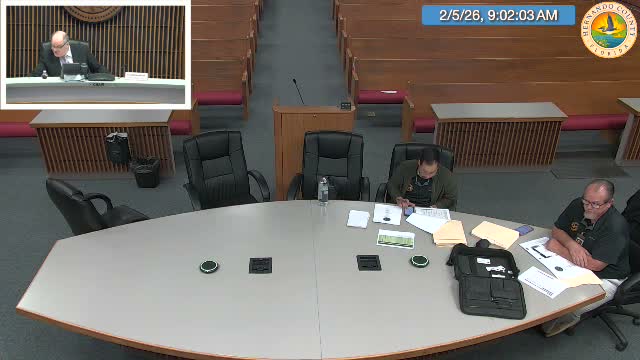
The Hernando County Value Adjustment Board spent its Feb. 5 session reviewing dozens of residential assessment appeals, with property appraisers and petitioner representatives disagreeing primarily over choice of comparable sales, effective ages and cost‑of‑sale adjustments.
Magistrate Steven Nystrom opened the day and swore in petitioners as the board moved through consecutively numbered appeals, beginning with petition 346. For each docketed home the property appraiser’s office presented sales‑comparison spreadsheets, maps and cost‑of‑sale spreadsheets and supported assessed values using weighted means of comparable per‑square‑foot rates. Petitioner representatives, most often Natasha Elliott of Ryan LLC, offered alternative market analyses that frequently used different pools of comparables and lower adjusted values.
Common issues raised included use of January 2025 sales versus 2024 comparables, whether some sales were outliers because they were investor flips or involved substantial post‑sale permits, and the permitted methods for calculating effective age and depreciation. Appraisers frequently cited a 15% cost‑of‑sale adjustment; petitioners argued that some chosen comparables were too distant or differed materially in size or condition.
During several hearings the magistrate flagged borderline comparables — properties that were much larger or smaller than the subject — and said he would consider size‑based adjustments and dollar‑per‑square‑foot comparisons when preparing his recommendation. He also asked appraisers to explain why some property record cards did not list separate land values in market areas that use a straight sales comparison approach.
Most residential petitions were presented and closed without a formal vote at the hearing; in several cases the magistrate said he would “get the information ready” and issue a written determination after a closer review of the submitted packets. Parties were repeatedly told that evidence submitted on time to the clerk’s office is considered admissible and that requests to incorporate prior hearing materials by reference were routinely accepted to save time.
The board recessed brief procedural discussions to address several contested procedural matters — including one instance in which a petitioner’s mailed package did not arrive on schedule — before moving on to more complex industrial appeals later in the day.
What happens next: the magistrate will prepare recommendations for the board based on the written record and the verbal testimony. Formal changes to assessed values, if any, will be reflected in the board’s written orders and the county roll.