Get Full Government Meeting Transcripts, Videos, & Alerts Forever!
Get email alerts on the Board Governance topic
No spam. Unsubscribe anytime.
Consultant urges board to stay in its lane, use consent agenda and prepare before meetings
Summary
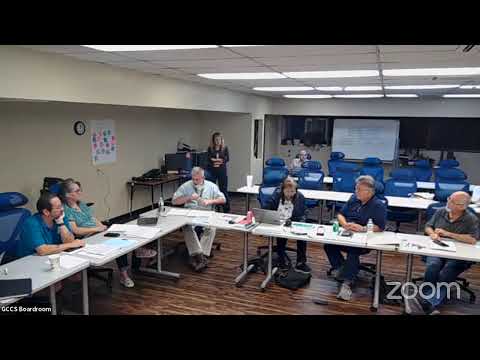
At a Grants–Cibola County Schools work session, consultant Bonnie Lightfoot reviewed board duties under state law, urged delegation to the superintendent, recommended pre‑meeting Q&A for trustees and promoted consent agendas to shorten meetings.
Bonnie Lightfoot, introduced to the Grants–Cibola County Schools board as a mentoring consultant, told trustees at a work session that the board’s primary duties are to adopt policies, employ a superintendent and review and approve the district budget — duties she said are grounded in state statute and administrative code. "Remember that you are subject to the rules of the public education department and secretary of education," she said, urging trustees to align their actions with those legal responsibilities.
Lightfoot recommended the board refrain from micromanaging administration and instead delegate operational tasks to the superintendent: "The second bullet point is to refrain from involvement in delegated administrative functions," she told members. She said individual members may meet with district staff informally but emphasized that formal authority rests with the board as an assembly.
To reduce meeting length and improve decision making, Lightfoot advocated routine use of a consent agenda for vetted items and urged trustees to ask substantive questions before meetings so the body can focus on decisions rather than information‑gathering during public sessions. "If you come prepared ... your meeting can go efficiently without having to ask the questions you have a right and a desire to need to know," she said.
Board members raised procedural questions about the timing of discussion and votes. One trustee noted prior practice of discussing an item before taking a vote; Lightfoot and others clarified that under parliamentary practice the normal sequence is move, second, discuss, then vote, though she acknowledged some boards conduct informal pre‑vote conversations.
The consultant also suggested practical steps to improve packet delivery and responsiveness, including committing to a fixed packet release day and arranging defined windows for trustees to contact the superintendent or staff with questions in advance. Lightfoot said those pre‑meeting communications should be used to resolve routine questions and reserve public meetings for decisions.
The work session was informational; no formal actions or votes on policy changes were taken.