
Coastal trustees hearings spotlight growth strategy, rising costs and graduation rates
Get AI-powered insights, summaries, and transcripts
Subscribe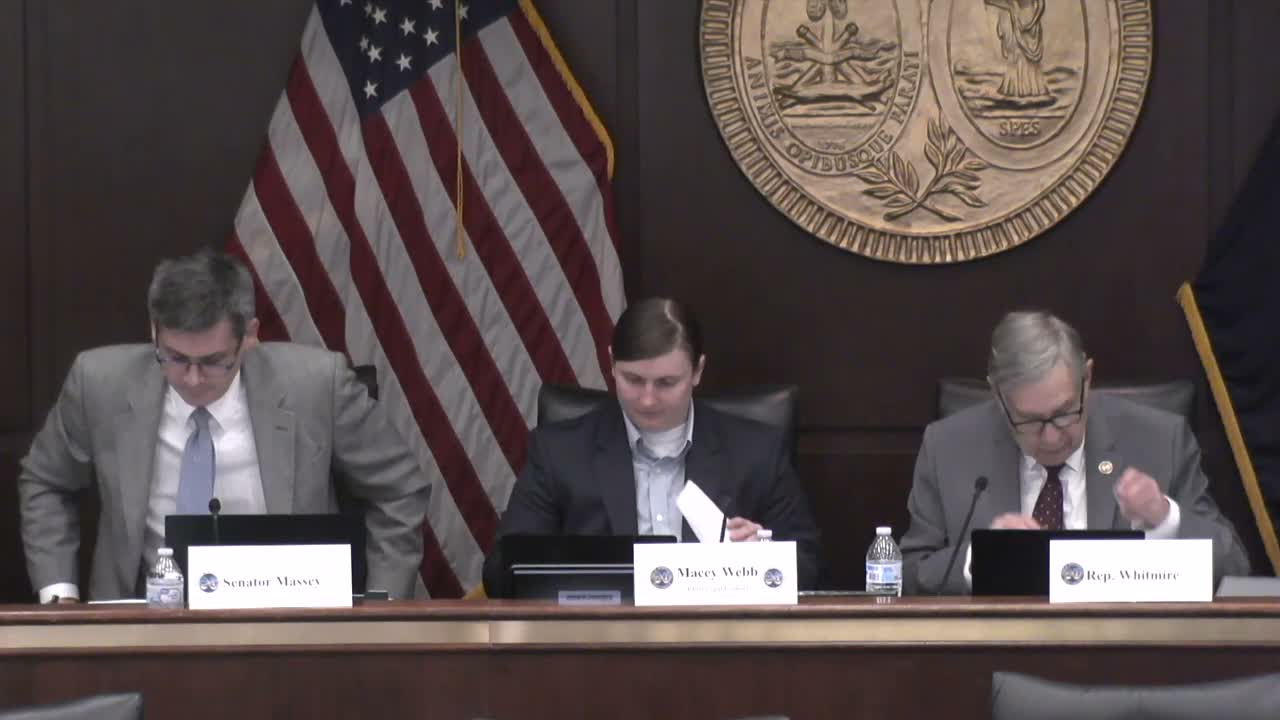
Summary
At a statewide trustees screening, nominees for Coastal Carolina's board defended expansion strategies that helped double enrollment while lawmakers pressed for details on a 60/40 out-of-state split, the university's $30,000 total cost of attendance and efforts to raise graduation and retention rates.
Members of the screening commission spent more than two hours questioning Coastal Carolina University trustee candidates about enrollment growth, tuition and student outcomes.
George Mullen, who described 60% of Coastal's students as out-of-state and said out-of-state tuition "is 30,000 a year" while in-state tuition is about "$11,600," told the commission the revenue mix lets Coastal hold down costs for South Carolina residents. "If we do not have that 60% out of-state revenues coming in, it would skew our numbers so badly," Mullen said.
Several lawmakers pushed back. Senator Johnson asked whether expanding the out-of-state student body had contributed to rising campus costs and lower graduation rates. "If you lower your in-state numbers, your retention numbers would go up and your graduation rate would go up," he said, noting worry that long degree timelines reduce return on the family investment.
Board members and nominees said the university is trying multiple strategies. Bill Biggs, a long-serving trustee, pointed to targeted recruitment in underrepresented South Carolina counties and to campus investments meant to improve retention and on-time graduation. Jason Repack, a trustee candidate and local hospital executive, emphasized workforce-aligned programs and partnerships with technical colleges as tools to keep more in-state students enrolled.
Nominees and trustees repeatedly cited housing and mandatory fees as drivers of total cost of attendance. "Room and board and meal plans" and other mandatory fees, they said, make the full annual cost much higher than the tuition line alone. George Mullen said revenue bonds and a local education sales tax help fund new dormitories without seeking a special appropriation.
On graduation and retention, witnesses told the commission that stronger first-year experiences, expanded advising and flexible scheduling are priorities. Several trustees noted that retention improvements in recent years should lift six-year graduation rates over time, while commissioners repeatedly asked for concrete targets and clearer metrics.
Lawmakers also pressed for scholarship transparency: multiple members requested a future breakdown of how institutional scholarship dollars are allocated between in-state and out-of-state recipients.
The commission voted to report favorably on multiple Coastal nominees after questioning. Commissioners reminded all candidates of the screening rule that they may not solicit commitments from General Assembly members until 48 hours after the commission's public report is released. The screening commission moved on to other university trustee hearings after the Coastal block; similar themes — costs, program demand and campus safety — recurred in those sessions.
The commission is scheduled to reconvene Thursday to continue remaining screenings.