
Committee backs 15% pay increase for administrative law judges; sends bill to finance
Get AI-powered insights, summaries, and transcripts
Subscribe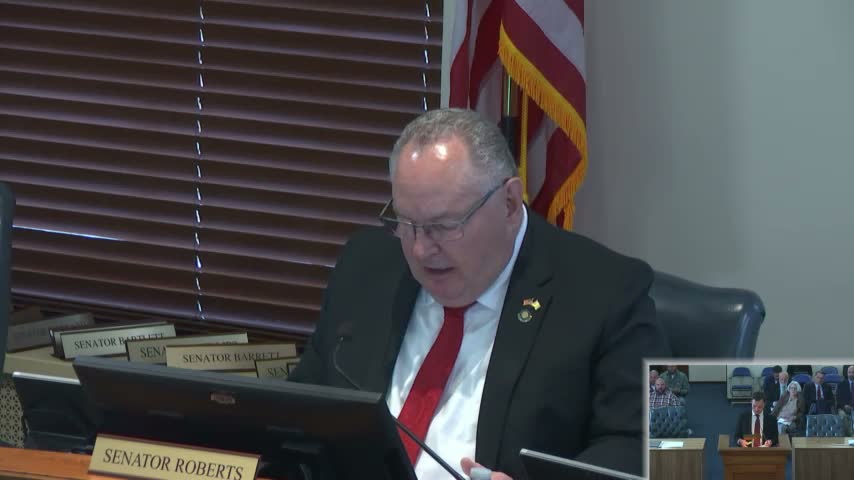
Summary
The Workforce Committee approved a committee substitute for Senate Bill 1038 directing a 15% salary increase for administrative law judges at the Unemployment Compensation Board of Review and reported the substitute to the full Senate with a recommendation that it pass; members raised concerns about the missing fiscal note and the size of the raise.
The Senate Workforce Committee approved a committee substitute for Senate Bill 1038 that directs a 15% salary increase for administrative law judges (ALJs) who serve as intermediate-level adjudicators for unemployment compensation appeals within the Unemployment Compensation Board of Review, which Workforce West Virginia administers.
Counsel described the substitute as targeting ALJ 1 and 2 positions and said the adjustment "is not subject to the public employees grievance procedure" and would be provided in addition to any other pay increases approved by the legislature. The substitute also corrects the board's name and sets the salary adjustment to take effect on passage. (Counsel)
Senators pressed for more information. A senior senator asked whether ALJs are full-time state employees and whether they had received past across-the-board raises; counsel said a fiscal note had been requested but was not yet available. The senator said, "15% is a lot" and said he could not vote in favor without fiscal details. (Senator, Counsel)
Scott Adkins, acting commissioner at Workforce West Virginia, told the panel ALJs are full-time, classified employees and that the state currently has four ALJs plus a chief administrative law judge (five positions total). Adkins said ALJ salaries have lagged market rates—"most of them are about close to $20,000 under market currently"—which complicates recruitment and retention. (Scott Adkins)
After discussion and no amendments, the committee agreed to the committee substitute by voice vote and voted to report it to the full Senate with the recommendation that it pass; under the substitute's double reference, the bill will first be referred to the Finance Committee on the way to the full Senate.
The committee action moves the bill forward but does not finalize fiscal details; the transcript records that a fiscal note had been requested and will be considered in Finance.