Get Full Government Meeting Transcripts, Videos, & Alerts Forever!
Get email alerts on the Superintendent Transition topic
No spam. Unsubscribe anytime.
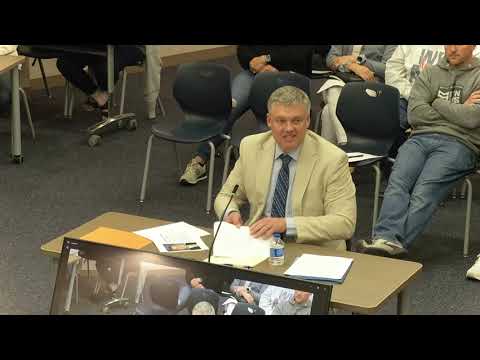
Superintendent candidate Steve outlines 'listen, learn, lead' transition plan to Albert Lea Area Schools board
Summary
Steve, the superintendent candidate, told the Albert Lea Area Schools board he would focus on building trust with the board and community through a 'listen, learn, lead' transition process, a staged review of operations and a year-long plan of stakeholder engagement; he answered board questions on curriculum, special education, enrollment and budgets.
Steve, the superintendent candidate for Albert Lea Area Schools, presented a phased transition plan and told the school board he intends to "listen, learn, lead" as he builds relationships with district staff, families and community partners.
"I call it listen, learn, lead," he said, describing an entry plan that includes July–August meetings with principals and department heads, listening sessions through October, school tours through December and a goal to deliver an initial report back to the board by October, a comprehensive analysis by January and a final transition report in June.
Steve said his top priorities are strengthening the board–superintendent governance relationship, boosting student achievement, expanding social-emotional supports and advancing equity. He described assessing district needs across financial stability, technology, facilities and instructional programs as part of Phase 1 of his work.
He used a recent curriculum adoption from his current district as an example of his approach. He described convening site-based leadership teams, narrowing vendors with teacher input, arranging classroom visits, presenting options to parents and securing what he said was "just under 90%" staff consensus to adopt a literacy curriculum (he cited a multi-year implementation and professional-development plan and called the process a model for broad staff buy-in).
On special education, Steve said he views artificial intelligence and emerging brain-research findings as tools that could help personalize learning and improve engagement for students with diverse needs. "AI is getting real big out there, and there's a lot you can do with it if we learn how to use it appropriately," he said, adding that he pursues training and current research and would invest in staff professional development.
Board members pressed him on practical concerns. Asked how he would balance fiscal constraints and new programs, Steve said budgets should align to long-term strategic goals, set aside nondiscretionary costs and only add discretionary programs that fit the plan. When presented with a scenario of staff upset by rapid policy rollout, he said he would apologize if he moved too quickly and re-open the communication chain through cabinet and building leadership teams until consensus was reached.
Board members also raised declining enrollment. One board member said the district has been discussing a net annual loss of about 250 students and cited open enrollment and perceptions about size as contributing factors. Steve proposed gathering data and conducting direct outreach to families who choose other districts to better understand their reasons.
Throughout the hour, he emphasized a collaborative leadership style—"power with, not power over"—and urged the board to participate in committee work and school walk-throughs to strengthen governance and community ties. He closed by thanking the board and community; the board said they would be in touch after deliberations. There were no formal motions or votes during the interview session.