Get Full Government Meeting Transcripts, Videos, & Alerts Forever!
House panel backs 30-day guardrail for 'time-limited' insurance demands; default-judgment amendment tabled
Summary
The Judiciary ad hoc committee gave H.4670 a favorable report after adopting language requiring at least 30 days for insurers to respond to time-limited demands and tightening one provision from 'may' to 'shall.' A separate amendment on default judgments—requiring plaintiffs to serve insurers before entering defaults—was offered and tabled for further study.
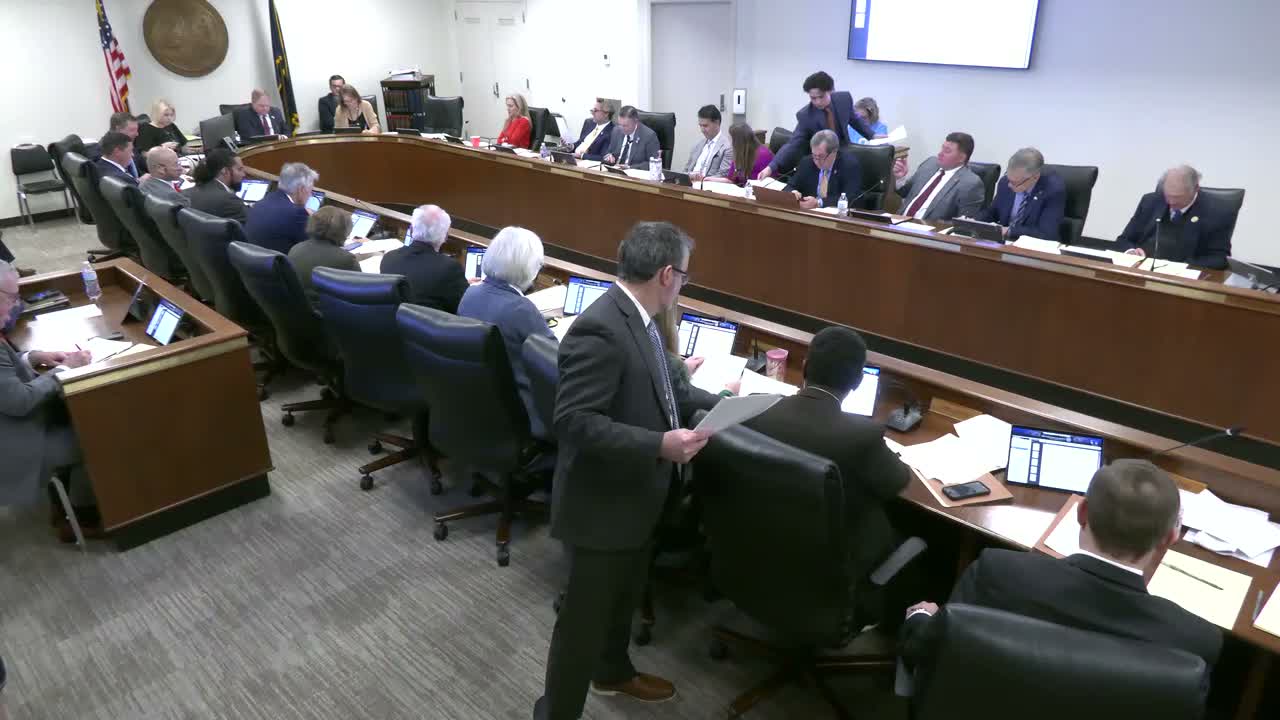
A House Judiciary ad hoc committee advanced H.4670 on Tuesday, endorsing a sponsor amendment intended to limit abusive "time-limited" settlement demands by requiring they be made in good faith, be reasonable in their terms and provide insurers at least 30 days to act.
Sponsor Rep. Jordan described the measure as a way to codify guardrails the Supreme Court and courts have tried to construct around practices some plaintiffs' counsel have used to create unfair pressure on insurers. "It allows for time-limited demands but it must be made in good faith...it must…
Already have an account? Log in
Subscribe to keep reading
Unlock the rest of this article — and every article on Citizen Portal.
- Unlimited articles
- AI-powered breakdowns of topics, speakers, decisions, and budgets
- Instant alerts when your location has a new meeting
- Follow topics and more locations
- 1,000 AI Insights / month, plus AI Chat