
House panel advances H.4544 to raise malpractice caps and refine 'occurrence' definition
Get AI-powered insights, summaries, and transcripts
Subscribe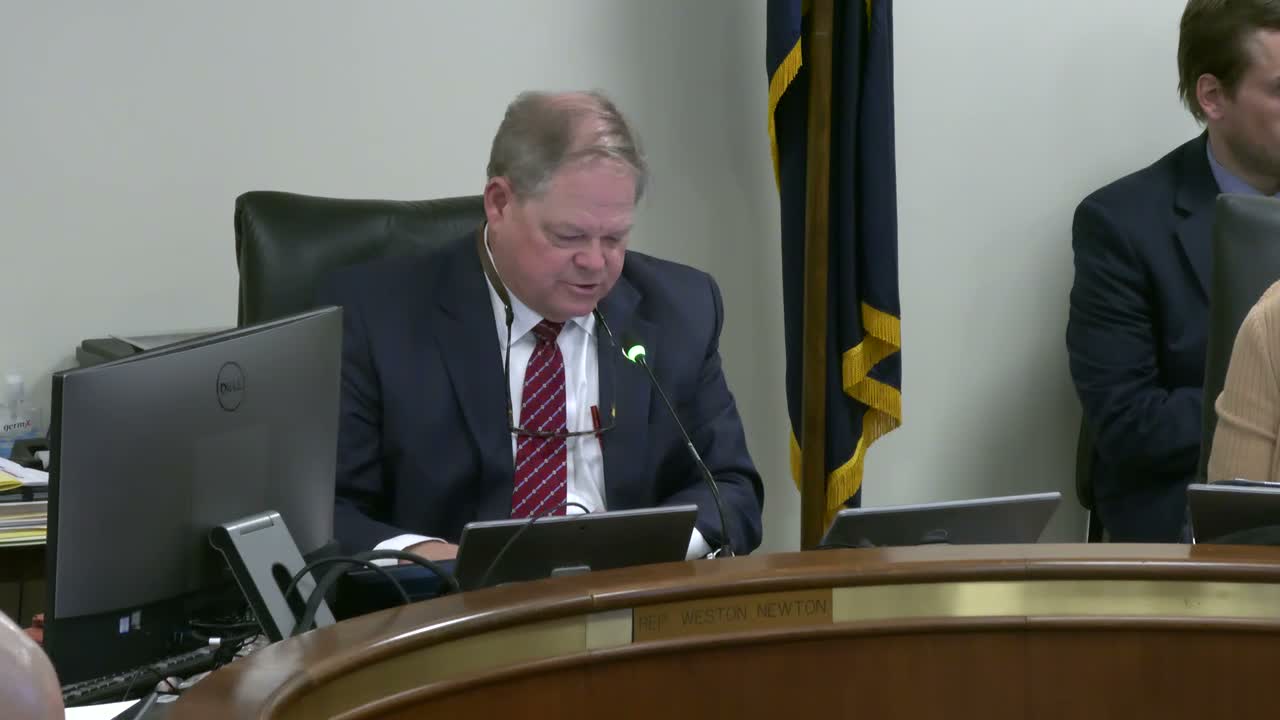
Summary
A Judiciary Committee ad hoc panel gave a favorable report to H.4544 after adopting sponsor amendments that raise non-economic-caps, narrow the legal definition of an "occurrence," and restore a fraud/misrepresentation exception; the bill now moves toward the full committee.
A House Judiciary ad hoc committee on Tuesday advanced H.4544, a medical-malpractice measure that would raise non-economic damage caps and narrow the definition of an "occurrence," after the committee adopted sponsor Rep. Jordan's amendment and approved the bill by favorable report.
The sponsor told members the amendment returns the occurrence definition to a more historic formulation: "acts or omissions which occur without a break in the causal chain and result in substantially the same injury shall be deemed a single occurrence," language he said is intended to prevent multiple stacked occurrences in a single causal event. Jordan also said the measure increases dollar caps sharply to reflect modern costs; "single occurrence would go to $600,000 with a $1,200,000 total sum," he said during his remarks.
Supporters said the changes update caps that have not been revisited in decades and aim to provide predictability for providers, insurers and plaintiffs. Rep. Bamberg raised concern that removing a CPI (consumer price index) linkage could freeze recovery amounts for long periods; Jordan replied the bill deliberately raises the caps now while avoiding an automatic CPI link that could constrain future budget processes.
Rep. Robbins questioned whether language covering fraudulent alteration or destruction of medical records remained protected; committee staff and the chair clarified that an exception for fraud or misrepresentation would be included and that a provision referencing medical-record destruction appeared in the for‑profit hospital context in earlier drafts and was corrected in the amendment. "That provision would add an exception for fraud or misrepresentation," Jordan said.
Committee members also asked whether increased caps would apply to physician assistants or nurses; the sponsor said the current text raises caps for physicians and dentists and does not extend that increase to those other providers now.
After debate and amendment, staff called the roll and the chair announced the bill received a favorable report as amended; the committee said it expects to take the measure to a full committee meeting after the budget process. The committee also reassessed an earlier drafting omission, added back the fraud/misrepresentation language, and conducted a revote; the final recorded favorable report was announced in committee proceedings.
The committee's action does not itself change law; H.4544 will next face further committee consideration and floor action if it advances.