
Attorney Perry Buckner urges removal of Section 16 from S.C. insurance bill, says it won't lower rates
Get AI-powered insights, summaries, and transcripts
Subscribe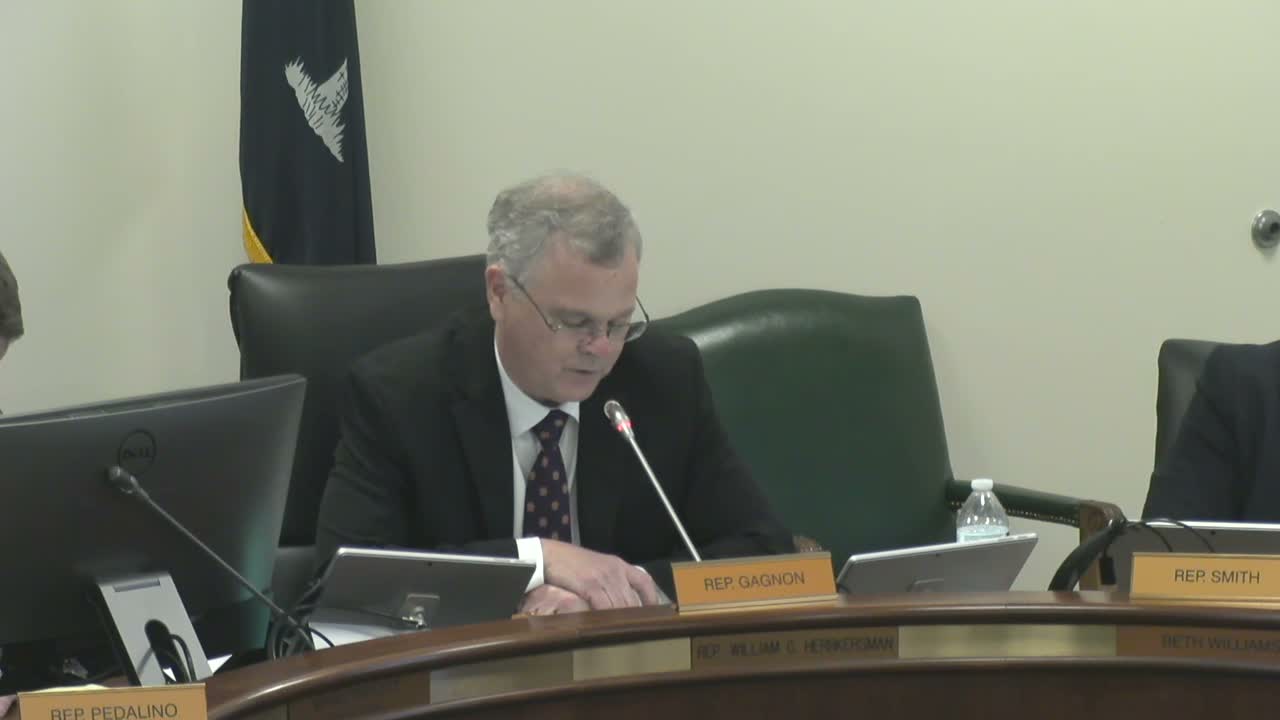
Summary
At a Banking and Insurance Subcommittee hearing, attorney Perry Buckner said Section 16 of H 48 17 — which would bar recovery of non‑economic damages for some uninsured drivers — would not reduce premiums and would strip legal remedies from certain victims. Members signaled an amendment to remove the provision when the panel reconvenes.
At a meeting of the South Carolina House Banking and Insurance Subcommittee, attorney Perry Buckner told members that Section 16 of H 48 17 — a proposed bill intended to lower insurance rates — should be removed because it would not reduce premiums and would deprive some accident victims of non‑economic damages.
Buckner, a Charleston lawyer with Arbor Applegate, praised much of H 48 17 as a "fair and balanced" attempt to address affordability but said Section 16 is different in kind because it targets third‑party tort remedies rather than rate drivers. "If you fail to buy auto insurance on your car ... and you are not at fault in that accident, that you cannot recover non economic damages," he told the subcommittee.
He disputed that the provision would lower premiums, saying the incidence of uninsured drivers who are not at fault is "not that common an occurrence" and that he was not aware of any actuarial data showing the change would produce meaningful rate reductions. Buckner told the panel uninsured‑driver estimates in South Carolina range from roughly 3% to 9%, and said the affordability problem—people who cannot afford coverage—undercuts the logic of a post‑accident penalty.
Buckner also pointed to other states, estimating about 12–13 have enacted similar bars or restrictions on recovery and naming California, Oregon, New Jersey and North Dakota among them. He said many of those states have higher average premiums than South Carolina and argued it is "far‑fetched" to credit the provision with explaining lower rates elsewhere. He added that when victims' harms are primarily non‑economic — for example, in fatal crashes where there are no medical bills — Section 16 would eliminate their primary legal remedy.
Buckner framed the provision as a rights issue as well as a rate issue: "It simply reduces legal rights and folks' Seventh Amendment right to trial by jury," he said, arguing the change would be unfair to victims who were not at fault.
During questioning, Mr. Ligon, a committee member, asked whether states with similar provisions have been moving to repeal them; Buckner said he was not aware of any widespread repeal efforts and reiterated that some states have more absolute bars. The exchange focused on whether those state experiences provide a useful model for South Carolina.
The moderator thanked Buckner for testifying and told the committee he expected an amendment to remove Section 16 when the subcommittee resumes consideration of H 48 17 the following day. No formal motions or votes were taken during this session. The subcommittee adjourned after taking testimony from the single scheduled witness.