Get Full Government Meeting Transcripts, Videos, & Alerts Forever!
Get email alerts on the Public Health topic
No spam. Unsubscribe anytime.
Board revisits Narcan in schools amid safety and staffing concerns
Summary
During a first reading of multiple policy revisions, board members debated whether the district should stock naloxone (Narcan). Proponents cited local overdose data and extended FDA shelf life; the district’s medical advisor raised concerns about necessity given local emergency response times. No formal policy change was recorded.
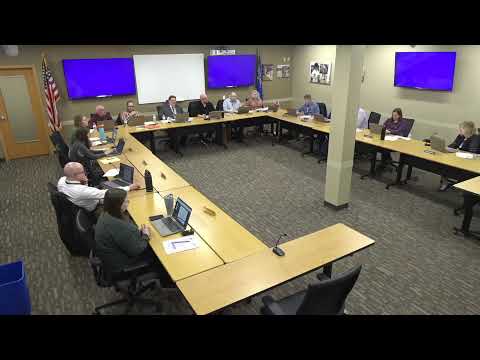
A lengthy policy discussion at the Onalaska School District board’s March 24 meeting included a contested exchange over whether the district should stock naloxone (commonly known by the brand name Narcan) at school sites.
A board member argued for revisiting the district’s medication policy to permit stocking naloxone in buildings and made a public‑safety case to the board, citing an annual local review: "The 2024 annual report by the La Crosse County Overdose Fatality Review shows that 55 lives were lost in 2023," the member said while urging the board to be proactive rather than reactive. The speaker also referenced FDA actions extending the shelf life for naloxone nasal spray and stressed rapid access could be lifesaving.
Opposing the automatic stocking of naloxone, the transcript records that district medical advisor Dr. Marr (via district communications) advised the board that, given local emergency response times and current nurse coverage, it may not be necessary for the district to assume responsibility for storing and administering naloxone. The speaker relayed that the medical advisor "did not feel it was necessary for the district to take on that responsibility of Narcan since the response times were so quick." Board members also raised practical concerns about training, shelf life and which staff would carry and administer the drug.
The discussion occurred as part of a first reading of multiple policy revisions related to medications, assistive technology and student discipline; no formal vote to require or prohibit naloxone in school buildings was recorded in the transcript. Board members did not close the item with a final policy change and left further deliberations for a later meeting.
The exchange included cited sources in the discussion: the La Crosse County Overdose Fatality Review (2024) and an article cited from US News (2023) as background. The board noted both the public‑health rationale for access to naloxone and the district’s operational constraints—nurse coverage and emergency response times—when weighing whether to adopt a stocking policy.