Get Full Government Meeting Transcripts, Videos, & Alerts Forever!
Get email alerts on the District Budgeting topic
No spam. Unsubscribe anytime.
Onalaska board hears conservative 2025–26 budget plan, proposes staffing and curriculum investments
Summary
Board reviewed a cautious 2025–26 budget assuming limited state increases, discussed a $200,000 operating referendum boost, projected a 46‑student membership drop, proposed a Skyward migration and a roughly $900,000 ELA adoption, and prioritized interventionist hires and an elementary alternative‑education option.
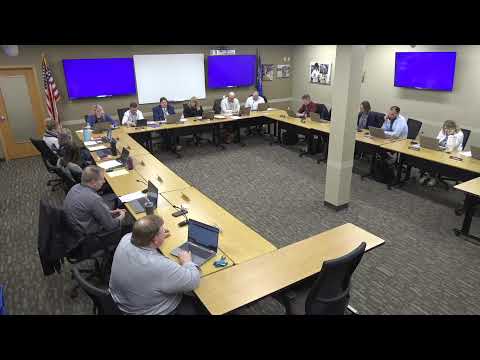
The Onalaska School District Board of Education heard a detailed presentation April 14 on planning assumptions for the 2025–26 budget and early proposals to protect academic programs while managing declining membership.
Administrators told the board they are building a conservative budget because the state budget will not be finalized until late June or July. The presentation projected a three‑year average membership decline of 46 students to 2,572 and described an operating referendum increase of $200,000 to help cover costs not anticipated from state aid. Presenters cautioned that revenue‑limit mechanics and state equalization aid will shape the district’s ability to offer programs without raising property taxes.
Why it matters: district leaders said membership (the basis for state funding) differs from local enrollment and is the key driver of funding. The district showed it has lagged behind CPI increases in per‑pupil funding and provided a hypothetical estimate of the scale of that gap.
Budget priorities and costs: presenters outlined near‑term and multi‑year priorities the board will consider as budget pieces come forward: migrating the student information system from PowerSchool to Skyward (presenters described migration costs short term but forecasted long‑term savings and efficiency gains), and adopting a KA ELA curricular package with an anticipated adoption cost of about $900,000 (noting some consumable materials could be paid over time). Other items flagged as priorities included the second year of a multi‑year teacher compensation plan and a communication specialist position funded last year.
Student supports and staffing: administrators recommended adding 1.5 elementary interventionist FTEs (creating full‑time positions at some buildings and a 0.5 FTE at another) to strengthen tier‑3 reading and math interventions, and an additional middle‑school math interventionist to refine small‑group supports. The presentation also described a district‑run elementary alternative education model intended to bring back a small number of students currently placed outside the district; administrators said the program would require a high adult‑to‑student ratio and be funded from existing resources rather than the levy column.
Next steps: the board was told the budget will be brought forward in pieces (capital, technology, facilities, staffing, community service funds) through October before the district adopts an original budget on Oct. 27, 2025. Administrators emphasized the use of fund balance to smooth timing differences and the need to adjust the plan after the state budget is finalized.
Quotes: “We cannot wait that long to be moving forward with our budget planning,” a presenter said, noting fund balance gives the district flexibility. On staffing, the presenter said adding interventionists would reduce the number of students below the 25th percentile and provide more capacity for tier‑3 small groups.
What’s next: the board will receive detailed budget segments (instructional/technology capital, facilities and grounds capital projects, staffing) in coming meetings and will hold a budget hearing before adopting the original budget in October.