Get Full Government Meeting Transcripts, Videos, & Alerts Forever!
Get email alerts on the Referendum topic
No spam. Unsubscribe anytime.
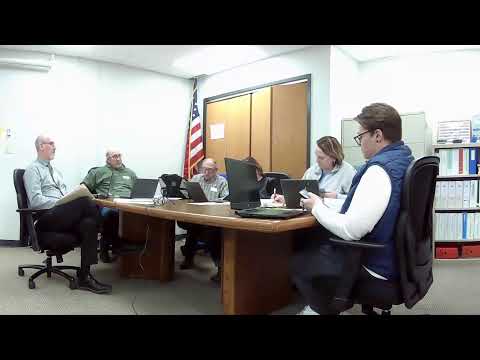
Auburndale School District board reviews referendum mailing and explains potential tax impact
Summary
Board members reviewed a proposed 5‑page referendum mailing for about 2,000 households, discussed how mill-rate impacts are calculated and urged voters to ask questions so they understand timelines, cost assumptions and how state aid offsets project costs.
At its meeting the Auburndale School District board reviewed draft referendum mailing materials and the potential tax impact of the questions voters will see on the ballot. Administrators said they found about 2,000 pre-addressed envelopes that could be used to distribute a short, five‑page mailing explaining the measures, timelines and estimated cost impacts.
The administrator presenting the mailing, identified in the meeting transcripts as Mr. Yeske, said the packet would include a one‑page overview, a visual flyer, a mill‑rate history comparison and a short table showing the maximum mill‑rate increase per $1,000 of assessed value. "Assumes a 5% interest rate," he told the board, noting the current rate is about 4.4% and that any decline in interest rates would reduce taxpayer cost. He added the materials assume equalization values increase 1% and noted the district's tertiary aid impact is about 40.5%, "meaning that for every dollar that we are spending, the state has given us 40¢ back in our increase in aid." The board asked that those assumptions be clearly stated in the mailing.
Trustees also discussed voter confusion about the two ballot questions and whether voters understand that the two questions are independent (they can vote yes/no on each). Mr. Yeske said the mailing's visuals aim to show voters how different yes/no combinations would affect the mill rate and encouraged trustees to solicit specific questions from the public so the mailing addresses common concerns.
Board members raised operational and timing questions. A finance committee member, Mike, described uncertainty in state revenue timing because the state budget process is likely to be delayed pending resolution of a court case; he said that makes exact revenue timing "very, very" uncertain. The board discussed printing and mailing timelines that could deliver materials to residents a week before an upcoming vote.
Why it matters: the mailing is designed to help voters understand the cost and scope of the referendum and the district’s assumptions (interest rate, equalization growth, and the share of costs offset by state aid). Trustees emphasized clarity: how much taxes would rise under each ballot outcome, why the district needs the projects and where questions can be directed.
The board did not take a formal vote on the mailing text at the meeting; administrators said they will refine the packet and proceed with a mailing as soon as the board provides final edits.