Lifetime Citizen Portal Access — AI Briefings, Alerts & Unlimited Follows
Frisco meeting erupts over immigration, with residents and youth clashing in extended public comment
Loading...
Summary
Multiple Frisco residents used a lengthy citizen‑input period to air sharp concerns about immigration, visas and local housing; other speakers — including students and long‑time residents — pushed back, calling the remarks racist and urging inclusion. The council took no formal action on the complaints.
Frisco City Council’s Feb. 17 meeting featured an unusually long and contentious public‑comment period in which dozens of speakers debated immigration, visas and community change.
At least three speakers framed local change as driven by foreign visa workers and alleged demographic shifts. Blake Seaver told the council the issue "has nothing to do with being anti Indian" but said he feared that "Texans living in unaffordable, congested, commercialized, and rapidly changing communities" were being displaced. Other speakers accused developers and outside interests of steering particular groups to Frisco and raised claims about fraudulent leasing and job displacement tied to H‑1B workers.
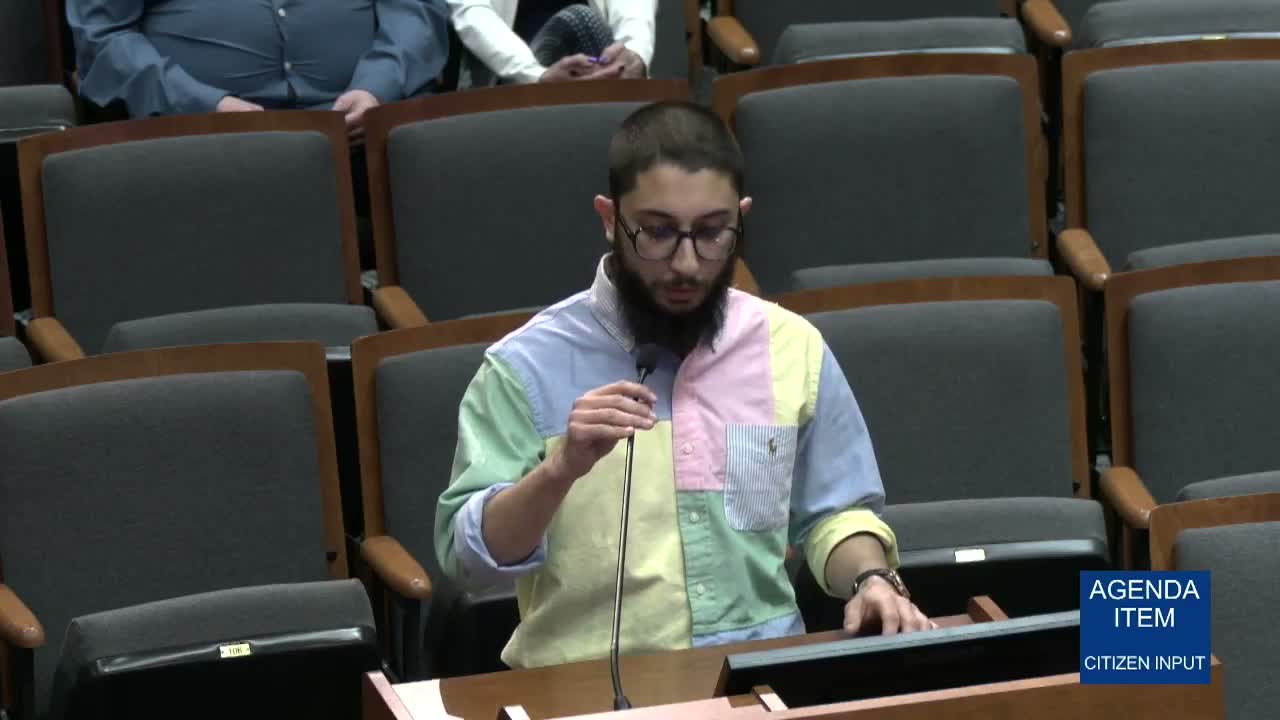
Several speakers pushed back immediately. Noah Weiss told the council he had watched recent meetings and described earlier speakers’ remarks as "racist rhetoric," urging officials not to amplify hate speech and telling South Asian and Middle Eastern residents, "you are welcome here." Heritage High School sophomore Pratik Parham, who identified himself at the podium, urged the council to focus on local policies the city can control and to prioritize inclusive community events to strengthen integration.
Some public commenters made specific requests of the council. Vinny Patel proposed a process change: a verification system so only confirmed Frisco residents could speak at meetings; he framed the idea as a procedural fix rather than a policy change. Others demanded ethics reviews or criminal investigations; a petitioner (Mark Palaciano) said he would return on March 3 pressing for an independent review into the mayor and alleged conflicts of interest.
Council members and staff responded only in limited ways during the comment period. The mayor and city staff reiterated the city’s election procedures after claims about election irregularities and noted that mosque zoning in one case dated back to the early 2000s. No formal investigations or policy changes were announced at the meeting.
The episode illustrated deep divisions in Frisco public discourse: some residents framed rapid growth and workforce change as threats to community character, while other speakers and younger residents pushed back against nativist and racially coded critiques. The council’s agenda moved on after the public‑comment block concluded, and no vote or new directive was taken in response to the remarks.