Get Full Government Meeting Transcripts, Videos, & Alerts Forever!
Get email alerts on the Higher Education Civics topic
No spam. Unsubscribe anytime.
Higher‑education civics bill advances after tense debate over academic freedom and implementation timing
Summary
HB 219 would require institutions to incorporate seminal American documents into writing courses; sponsors described the change as faculty‑driven policy with board rulemaking, while faculty commenters warned of academic‑freedom and implementation concerns. Committee passed the first substitute with a favorable recommendation.
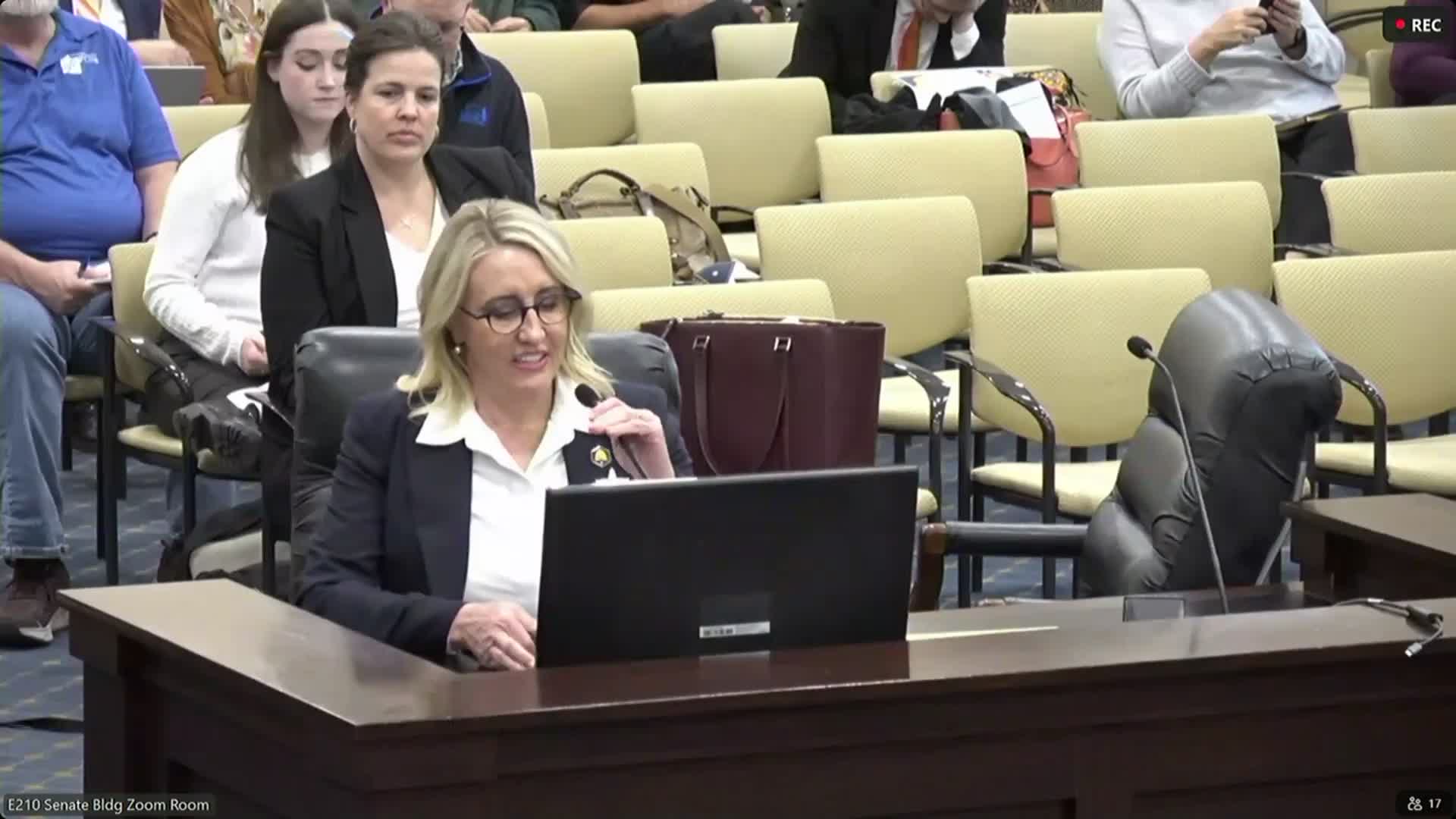
The Senate Education Committee voted to send House Bill 219 (first substitute) out with a favorable recommendation after extended discussion and public testimony debating curriculum scope and academic freedom.
The sponsor said the bill requires the State Board to establish a policy that institutions of higher education incorporate seminal documents (founding documents, presidential speeches, Supreme Court opinions and other primary sources) into writing courses where appropriate, while preserving faculty and institutional discretion over how to implement that policy. The sponsor framed the change as aligning a pilot already under way at Utah State University with statewide practice, and argued the proposal would strengthen students’ analytical writing and civic literacy.
Committee members and public commenters—many of them faculty members—expressed concern that the language could feel mandatory rather than voluntary in practice and might politicize curriculum or intrude on academic freedom. Several faculty testified that required timelines and the rapid implementation plan (for fall 2026) could strain instructors who select textbooks and design courses well in advance. Supporters, including parents’ groups and civic organizations, urged passage as a way to expose students to primary texts and build civic knowledge.
After debate the committee voted to advance the substitute. Sponsors said they will continue to work with institutions on implementation details and possible timeline adjustments.