
Senate committee backs petition for a 3‑digit human‑trafficking hotline
Get AI-powered insights, summaries, and transcripts
Subscribe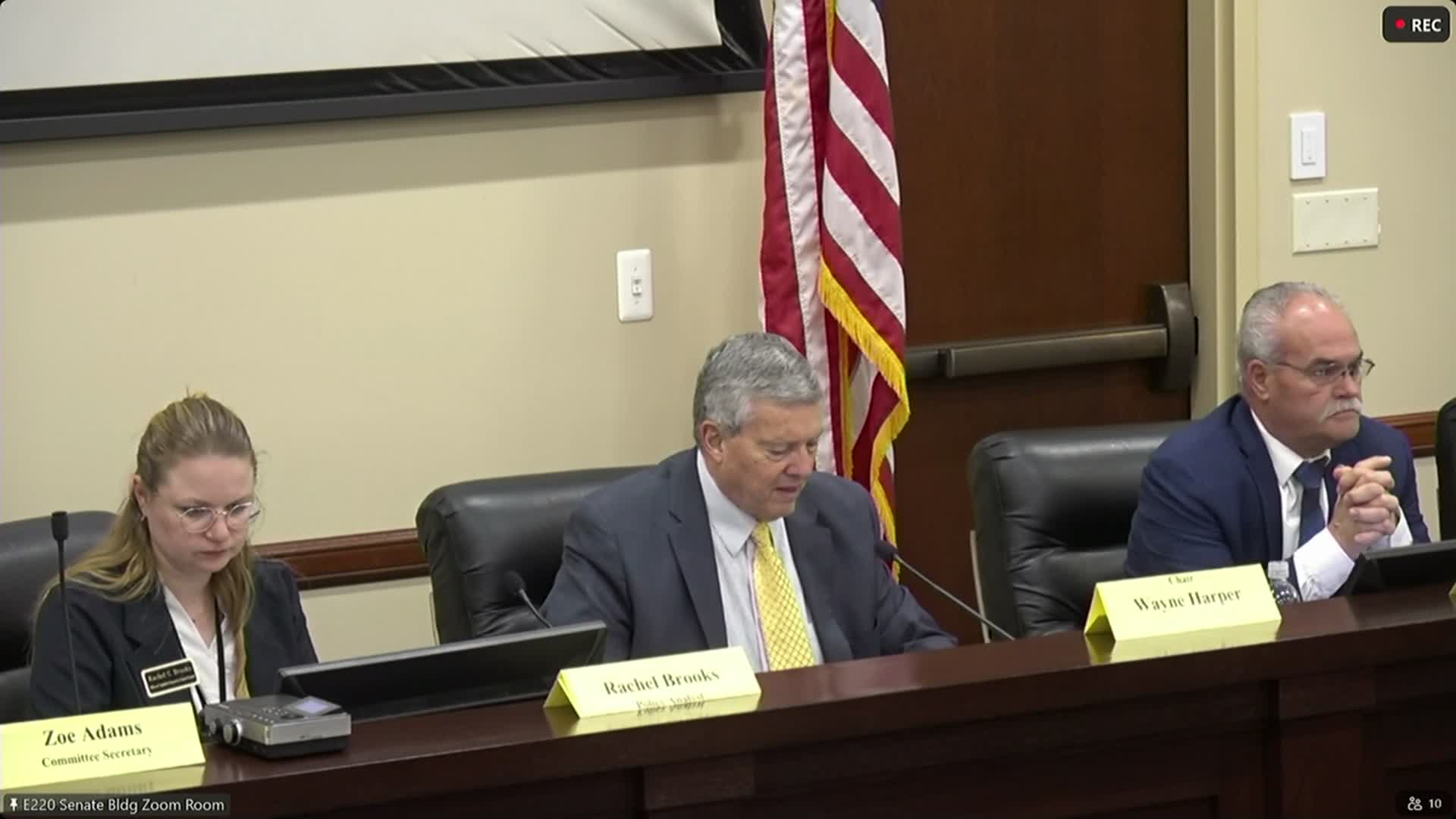
Summary
The Senate Transportation committee recommended HB411 to the Senate floor, a bill directing Utah to join a multi‑state petition to the FCC seeking a nationwide 3‑digit human‑trafficking hotline; survivors and advocates urged the measure as a simple, accessible pathway for victims to seek help.
Representative Nicholeen P. Peck appeared before the Senate Transportation, Public Utilities, Energy and Technology Standing Committee to introduce House Bill 411, which would instruct Utah to participate in a multi‑state petition to the Federal Communications Commission to establish a three‑digit human‑trafficking hotline. "We don't memorize numbers anymore," Peck told the committee, arguing a short, memorable number could lower barriers for victims seeking help.
Advocates and survivors told the panel why they support the idea. Wendy Jensen Nichols, founder of the nonprofit WAM Safety, said a three‑digit number would be "simple, easy to use, just like we have for 911 or 988 for suicide prevention," and that many victims are groomed or threatened and do not trust traditional emergency lines. Survivor Kimberly Raya Cohen described barriers she faced when seeking help and the delay she encountered when calling available resources, concluding, "Getting the help immediately is something that can be done and needs to be done." Julie Whitehead, also a survivor, said victims often fear calling 911 and need an alternative point of contact that can be remembered in crisis.
Peck told the committee the bill primarily starts a process: it requires the state to apply for the three‑digit number and lays out steps state agencies would take if the number were assigned. When Senator Winterton challenged the bill as lacking "teeth," Peck said the application and coordination components are mandatory and that language was negotiated with the attorney general and DHHS. Senator Kwan and others urged additional funding and programs for survivors but acknowledged the bill's procedural focus.
Several members of the public — including a former county commissioner and representatives of advocacy groups and emergency responders — testified in support, saying a centralized, memorable hotline would help people who find it difficult to call 911. After questions and discussion, Senator Winterton moved that the committee recommend HB411 to the Senate floor. The motion carried and the committee passed the bill out with a favorable recommendation.
The committee's next step is floor consideration; the bill's timeline for federal FCC action is uncertain and could take years if the petition proceeds.