
House passes bill expanding attorney general's civil investigative demands after heavy amendment fight
Get AI-powered insights, summaries, and transcripts
Subscribe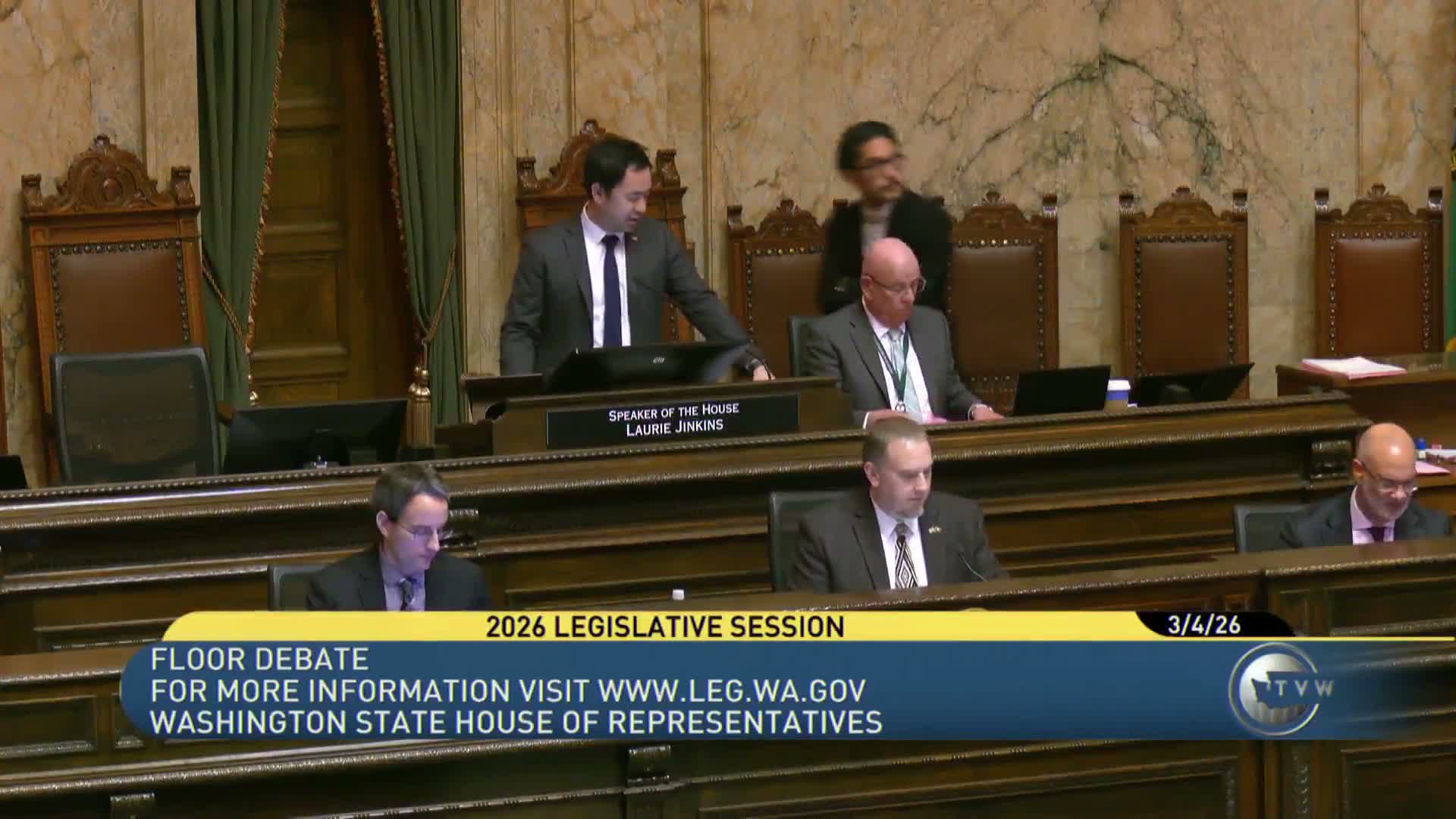
Summary
After hours of debate and dozens of amendment votes, the Washington House passed Engrossed Substitute Senate Bill 5925, expanding the attorney general's authority to issue civil investigative demands (CIDs) for enforcement of certain civil statutes. The bill passed after several narrowing amendments were adopted and opponents warned of overreach.
The Washington House on the floor passed Engrossed Substitute Senate Bill 5925 as amended, a measure widening the attorney general's authority to issue written civil investigative demands, or CIDs, to compel documents, answers and testimony in civil enforcement matters.
Supporters said the tool is necessary for efficient state enforcement where federal agencies have pulled back. Representative Farbhar, who spoke in favor on final remarks, said the statutes affected "protect some of our most important laws" and argued the attorney general needs investigative tools to address wage theft, discrimination and other violations.
Opponents urged stronger limits. Representative Abel repeatedly framed the underlying concern as potential ‘‘fishing expeditions,’’ moving multiple amendments to tighten standards and require judicial or supervisory sign-off. "This is a blank check unless it has guardrails," Abel said during debate. Representative Walsh likewise pushed for procedural safeguards such as a right-to-cure and fee remedies for recipients who prevail.
Several proposed amendments failed, including a move to require CIDs only on a clear-and-convincing‑evidence standard (amendment 2160) and an early right-to-cure amendment (2149). The House adopted a package of narrowing amendments later in the day — including limits on issuance to federal agencies, prohibitions on using CID-obtained material for criminal prosecutions, and a three‑part relevance/narrowing test — that sponsors said reduced the risk of misuse.
The final recorded tally on passage of the bill as amended showed a constitutional majority in favor (the transcript records 56 ayes, 41 nays, 1 excused). The House debated numerous additional procedural amendments over multiple hours before adopting the committee amendment as amended and moving the bill to passage.
The bill's supporters said it will help the attorney general's office respond more nimbly to wage theft and civil‑rights complaints; critics warned it grants far‑reaching authority to an elected prosecutor's office and may burden small businesses and other recipients with costly production obligations. The House did adopt several amendments designed to narrow the bill's scope and impose reporting requirements on CID use.
Next steps: the engrossed bill advances as passed by the House; any subsequent conference and final enactment will determine what, if any, further changes are made before a signature and codification.