
Families urge recording, oversight and deny calls to shield child-advocacy actors from liability
Get AI-powered insights, summaries, and transcripts
Subscribe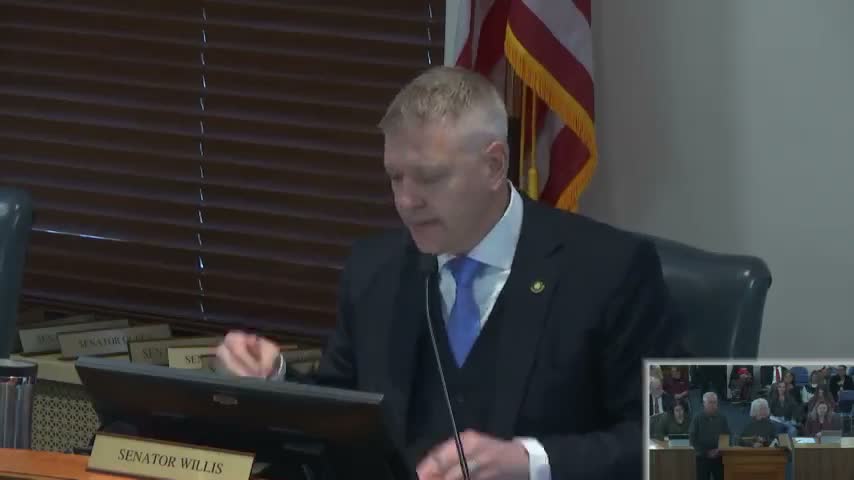
Summary
Multiple speakers at the Judiciary Committee listening session described cases they said showed investigatory failures, trauma from removals and a lack of independent oversight; several urged mandating tamper-proof audio/video recording and opposed extending immunity to child-advocacy entities.
Several family members and caregivers told the Judiciary Committee they experienced investigative errors and harms they said occurred while children were under state supervision, and they urged legal and procedural changes to prevent similar outcomes.
Patricia Caperton said her granddaughter has "received psychiatric care for PTSD following five years in the system," and described repeated placements and allegations later recanted. "Child protective services holds extraordinary power. Accountability," she said, urging "increased transparency and auditing of removal decisions, independent review of mechanisms, stronger oversight of foster placements" and expansions of mental-health treatment.
Mike Johnson described an anonymous complaint that led to the removal of four grandchildren and then a court dismissal. He told the committee the case was dismissed on July 26 and said the removal traumatized the children: "They were absolutely stunned...Our 18 year old daughter...was literally in tears." He said a CPS worker who led the nighttime removal had been with the agency only five months.
Rebecca Ball described her family’s multi-year appeals and alleged structural conflicts involving child-law services, child advocacy centers, guardians ad litem and judges. She urged the committee not to grant immunity to those entities and asked for mandatory, tamper-proof recordings so evidence cannot be altered or sealed: "Transparency protects children, Immunity protects systems, and we're asking you to please choose accountability."
Tanya Shrewsbury and other witnesses described what they called failures of investigation, alleged false reports by relatives, and long delays that they said cost them access to children. Witnesses suggested several remedies discussed elsewhere in the session, including stronger oversight mechanisms, independent review processes, and the use of audio/video records to preserve evidence.
The committee did not vote on any proposals during the session, but Chair Sen. Tom Willis said members would debate several bills this week that seek to address many of the concerns raised, including a potential requirement for audio recordings to clarify the record.