Get Full Government Meeting Transcripts, Videos, & Alerts Forever!
Get email alerts on the Development Financing topic
No spam. Unsubscribe anytime.
Findlay finance committee recommends council authorize infrastructure work and buy land tied to Casto development
Summary
The finance committee voted to forward an ordinance to council to build public infrastructure and purchase about 21 acres of green space to support the Casto development, after a municipal‑adviser briefing and debate over whether to pay cash or issue bonds.
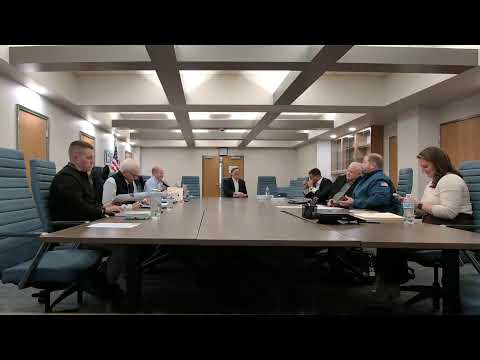
The Findlay Finance Committee voted March 3 to recommend that city council authorize public infrastructure improvements and the purchase of roughly 21 acres of land intended as green space and to support future development tied to the Casto project.
The recommendation followed a presentation by the municipal adviser, Andrew, who outlined the adviser role, market conditions and options for debt or short‑term notes. "Our role is to make sure that it's the best option for you and whatever you're trying to get accomplished," Andrew said while reviewing refinance timing and the tradeoffs between notes and long‑term bonds.
The committee and staff discussed a package of measures for the north‑side Casto area that would combine public roadway extension and new water and sewer lines with the land acquisition. Administration described the project phasing and contributions: phase one would include 54 townhomes and about 176 garden‑style apartments, with later phases adding additional apartments for a total near 374 units; staff said an adjacent property owner had set aside $500,000 toward infrastructure and the developer would contribute $140,000 per year under the current proposal.
City staff and the municipal adviser explained two primary payment routes: pay the estimated capital hit in cash from the capital program or proceed with a bond issuance. Staff noted that paying cash would reduce near‑term capital capacity; the adviser recommended structuring decisions to protect the city's long‑term credit and, if cash is used, passing a reimbursement resolution to preserve tax‑exempt financing options later.
The city auditor urged caution. He told the committee he was concerned the package could effectively subsidize the developer, saying, "it looks like we would be subsidizing them the same amount that they paid for the land," and recommended a clearer council policy—term sheets and parameters—so incentive decisions are not handled on a one‑off basis.
The committee's formal recommendation to council, made by the chair and seconded in discussion, asked city attorneys to draft an ordinance to: (1) authorize infrastructure work to enable the development; and (2) purchase the 21‑acre parcel to retain as green space and for infrastructure/stormwater needs. The committee recorded unanimous ayes to forward that recommendation and directed staff to coordinate a full financial packet with the auditor's office and the municipal adviser before the council readings.
Members continued debating whether to fund the project from capital now or to issue bonds, with several noting the tradeoffs: issuing debt spreads the cost but consumes borrowing capacity and increases interest expense, while using cash reduces immediate borrowing but can force the postponement of other capital projects. Staff committed to provide refined cash‑versus‑debt scenarios and to schedule an earlier daytime meeting so the committee can review capital‑plan impacts before a council vote.
The committee did not finalize a cash‑versus‑bond decision at the meeting; staff said they will return with detailed numbers and recommended timing for council consideration.