
Lawmakers weigh waiver to preserve SNAP access for veterans, people experiencing homelessness and former foster youth
Get AI-powered insights, summaries, and transcripts
Subscribe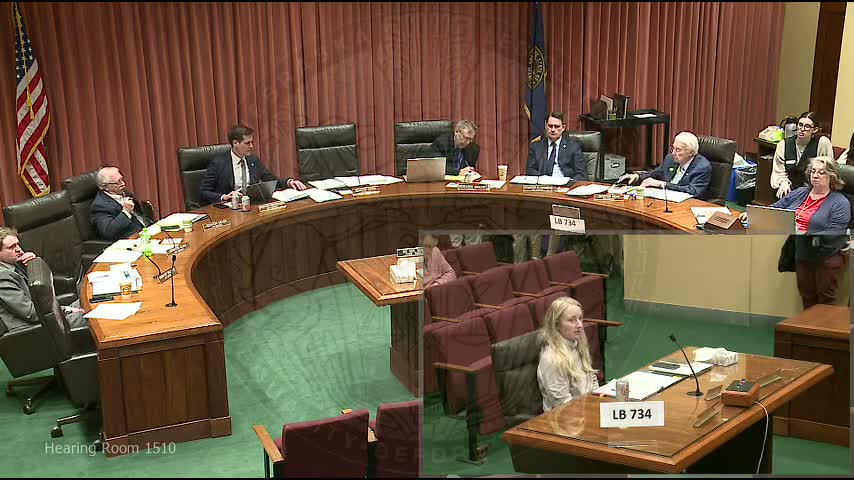
Summary
Sen. Megan Hunt asked the committee to direct DHHS to apply for federal waivers to exempt veterans, people experiencing homelessness and foster‑care alumni from HR1 work requirements. Proponents warned that new documentation burdens and stricter rules have already led to SNAP losses and greater strain on food banks.
Sen. Megan Hunt opened a hearing on LB734, a bill that would direct the Department of Health and Human Services to apply for federal waivers that restore prior exemptions from newly tightened SNAP work requirements for three groups: veterans, people experiencing homelessness, and youth aging out of foster care.
Hunt argued the federal changes imposed by HR1 were implemented without consultation and create administrative burdens that will push vulnerable people off SNAP. "No one can thrive or move to greater self‑sufficiency if they are hungry," she said, urging the committee to retain Nebraska’s prior exemptions.
Eric Saviano of Nebraska Appleseed noted HR1 has already reduced SNAP participation and warned of downstream pressure on food banks, schools and emergency services. Robin Nolte and other witnesses described personal and family crises in which consistent food assistance was essential to regaining stability; Nolte said that SNAP access helped her move from homelessness to employment.
Nonprofit and food‑security providers emphasized gaps in Employment and Training (ENT) program availability and barriers to documentation for people who are unhoused. Alynn Sampson of Matt Talbot described the difficulty of maintaining employment and documentation without stable housing, and Together and other pantries said demand has risen sharply in recent years.
Committee members queried fiscal implications: the committee heard that changes to federal cost‑sharing for administrative costs will shift a larger share to the state in coming years but that the fiscal note judged waiver application and administrative costs could be absorbed. Proponents argued the social and public‑health costs of removing SNAP exceed administrative work.
The committee did not vote on LB734 during this hearing.