
Lawmakers consider oversight, appeals and the InterRAI assessment after proposed Medicaid waiver changes prompt family outcry
Get AI-powered insights, summaries, and transcripts
Subscribe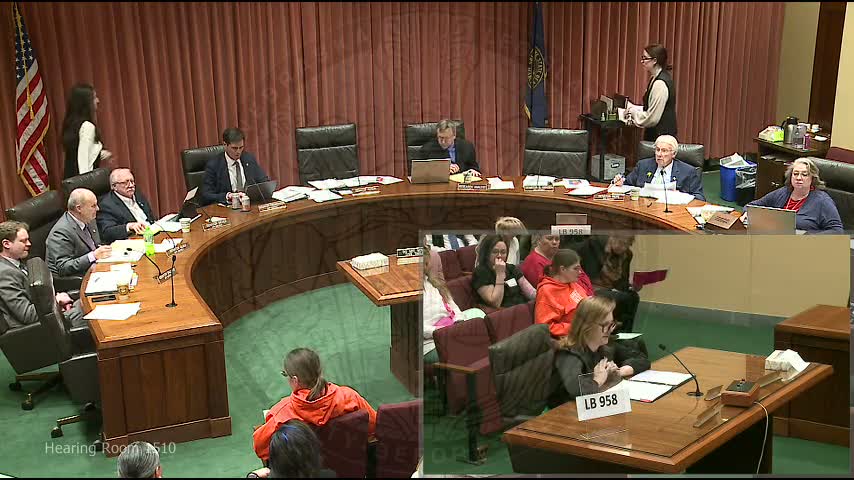
Summary
Sen. Makayla Kavanaugh’s amended LB958 would require assessor training, clearer explanations of decisions, independent evaluations paid by the state for appeals, and reporting to the Legislature about how InterRAI assessments affect eligibility and hours in Medicaid waiver renewals. Testimony highlighted families’ blindsiding by proposed cuts and a high number of appeals.
Sen. Makayla Kavanaugh presented AM2345 to LB958, a substitute amendment the sponsor said preserves the bill’s goal of transparency and stability for Nebraskans who rely on Medicaid home‑and‑community‑based waivers. The amendment would require DHHS to train assessors in clinical interviewing, provide clear written explanations of eligibility and service decisions, cover independent evaluations at state expense when appealable reductions occur, and report to the Legislature and ombudsman on InterRAI implementation and outcomes over two years.
Kavanaugh told the committee the amendment is intended to protect people with developmental and intellectual disabilities during a major systems change and to ensure that appeals are meaningful. "Clinical interviewing ensures assessors can ask follow‑up questions, clarify responses, and accurately capture the needs of the individual in front of them," she said.
Numerous family members and advocates testified in support. Parents described being blindsided by waiver renewal proposals and by appeal denials. Teresa Stewart testified that DHHS denied nursing care for her son that morning and that "every single appeal was denied," saying the change forced untenable choices for families. Several speakers described staffing and funding concerns and urged legislative oversight to prevent service reductions that could force institutionalization.
Tony Greene, director for the Division of Developmental Disabilities at DHHS, testified in opposition to the original version of LB958 and cautioned that requiring legislative approval for waiver submissions could create federal compliance and timing problems with CMS, given the back‑and‑forth nature of waiver negotiations. Greene said earlier iterations of the bill contained provisions that would have limited DHHS's ability to manage cost neutrality and waiver operations, although he acknowledged that the amendment significantly changed the bill.
Committee members pressed for more fiscal detail about the cost of independent evaluations and for clearer data on appeals. DHHS reported InterRAI had produced tier changes for a minority of participants and that the department has processes to rerun scores when documentation errors are identified. The committee closed the public record and the sponsor indicated further changes may come based on testimony.
No final vote occurred during the hearing.