Bill would allow pharmacies to deliver prepaid prescriptions to hospitals for patient pickup, sponsors say
Loading...
Summary
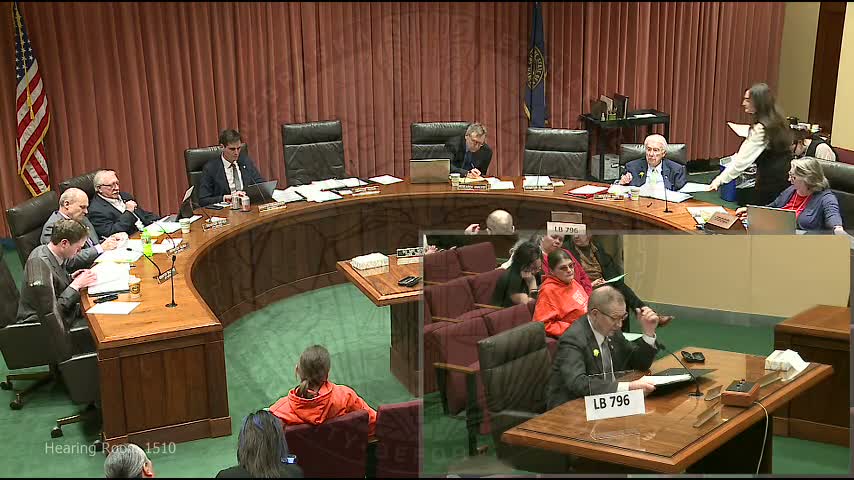
Sen. Barry DeKaye introduced an amendment to LB796 that would allow pharmacies to deliver prepaid prescriptions to designated health care facilities for patient pickup under specified safeguards (secure storage, no controlled substances, patient counseling, 30‑day hold/donation rules); proponents framed it as a rural access fix amid a growing pharmacy desert.
Sen. Barry DeKaye introduced AM2328 to LB796, a bill intended to clarify that pharmacies may deliver prepaid prescriptions to designated health care facilities (for example, a hospital or outreach clinic) for patients or caregivers to pick up under specified safeguards.
DeKaye told the Health and Human Services Committee the change responds to a DHHS notice that had disrupted a longstanding arrangement in parts of rural Nebraska, and said the amendment was drafted with input from DHHS and the Nebraska Pharmacists Association. He described a set of conditions: the drug or device must be prepaid; counseling must be offered by the dispensing pharmacist; medications must be stored separately in manufacturer packaging and in locked storage; controlled substances would be excluded; and unclaimed drugs would be donated, destroyed or returned after 30 days, with facility documentation kept on file.
Ryan McIntosh, representing the Nebraska Pharmacists Association, backed the amendment and emphasized the urgency created by a “growing pharmacy desert.” McIntosh said the association’s county map shows a rise in counties without pharmacies and cited figures from their study: "Even from the 2022 study...that number has jumped from 16 to 23 counties without a pharmacy; 26 counties only have one pharmacy," he told the committee. He said guardrails in the amendment preserve patient safety while restoring convenient access for rural patients.
DHHS Chief Medical Officer Dr. Timothy Tesmer testified in a neutral capacity that the department had worked with the senator on amendment language and that the substitute would allow additional flexibility "while maintaining health and safety guardrails." Committee members pressed on oversight, storage and time windows for pickup; proponents said the amendment broadens pickup hours compared with the department's current 15‑minute windows in some arrangements.
Supporters argued the change would reduce long round‑trip drives for rural patients and ease access during adverse weather and workforce shortages. No formal vote was taken; the committee closed the hearing on LB796 after the testimony and discussion.