
Teachers, union present survey showing heavy workloads and urge more funding, protected paperwork time
Get AI-powered insights, summaries, and transcripts
Subscribe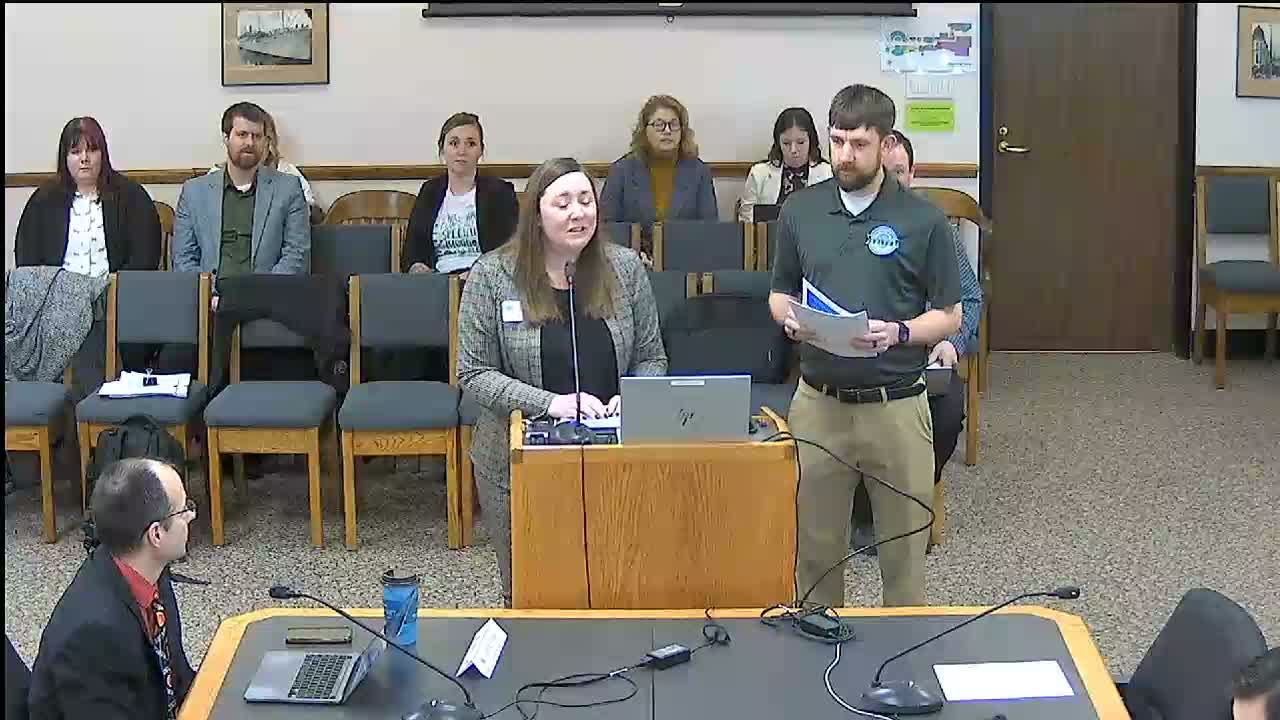
Summary
North Dakota United and special education teachers told a legislative committee that paperwork, caseloads and low para pay are driving burnout and departures. Presenters urged more funding, protected contract-time for paperwork, and better paraprofessional pay and supervision.
Amber Haskell, Northeast field consultant for North Dakota United, told the Special Education Funding Committee that a teacher-led retention rubric and two statewide surveys found heavy workload and retention pressures in special education across the state. “North Dakota should increase the amount of funding allocated to school district special education departments,” Haskell said, summarizing respondents’ recommendations.
Haskell and Matt Liebel, Northwest field consultant for NDU, said that a December 2023 screener survey (297 responses) and a deeper rubric-based survey (administered Oct.–Jan.; ~154 responses) showed consistent problems: 71% of respondents said workloads had increased since they began working in special education, 86% reported feeling overwhelmed and 44% said they were considering leaving special education. The rubric measured four domains—paperwork and due process, workload, student and staff safety, and paraprofessional management—and produced low average scores, NDU said.
“We see paperwork consumes my life. I can teach or I can case manage, but I can’t do both well,” one survey comment included in the presentation read, reflecting the broader theme that teachers are spending prep and personal time on federally required documentation.
Testimony from classroom staff reinforced those findings. Alexis Rassett, a learning-disabilities case manager at Mandan High School, told the committee that case managers “essentially perform three full time jobs” as instructional leaders, legal compliance officers and supervisors of paraprofessionals. Rassett urged mandated protected prep time, stipends for specialists who supervise paras, and funding for administrative support.
Jessica Van Winkle, a former paraeducator and now a special education teacher, described paraeducators as “the adults who sit beside the students who struggle to read,” and said many paras must hold multiple jobs to make ends meet. NDU’s survey found 74% of respondents rated para pay as not keeping pace with cost of living and 72% reported that para management was not written into negotiated agreements.
Committee members pressed NDU on methodology, asking whether comparable data exist for general education teachers and whether district-size or unit-level breakdowns were available. NDU said some breakdowns by district size and special-education unit were provided and offered to explore broader comparisons.
Lawmakers and district officials also raised safety and reporting concerns: the survey indicated 32% of respondents said they were not notified when a student with a history of violent behavior was placed on their caseload, and 60% said debriefing after crises was rare. NDU and teachers called for clearer injury reporting and stronger crisis-response plans.
Haskell framed the group’s central request as funding-focused: more resources directed to special-education units so districts can maintain staffing levels, manageable caseloads and competitive pay—measures the presenters and teachers said are necessary to reduce burnout and retain staff.
The committee did not vote on legislation. Members asked staff for follow-up work—on potential funding models, Goalbook contract details, and data on high-cost and level-D placements—and scheduled a committee work session to continue the discussion.