
Kate Gladden urges study to let prosecutors seek felony charges in some vehicular deaths
Get AI-powered insights, summaries, and transcripts
Subscribe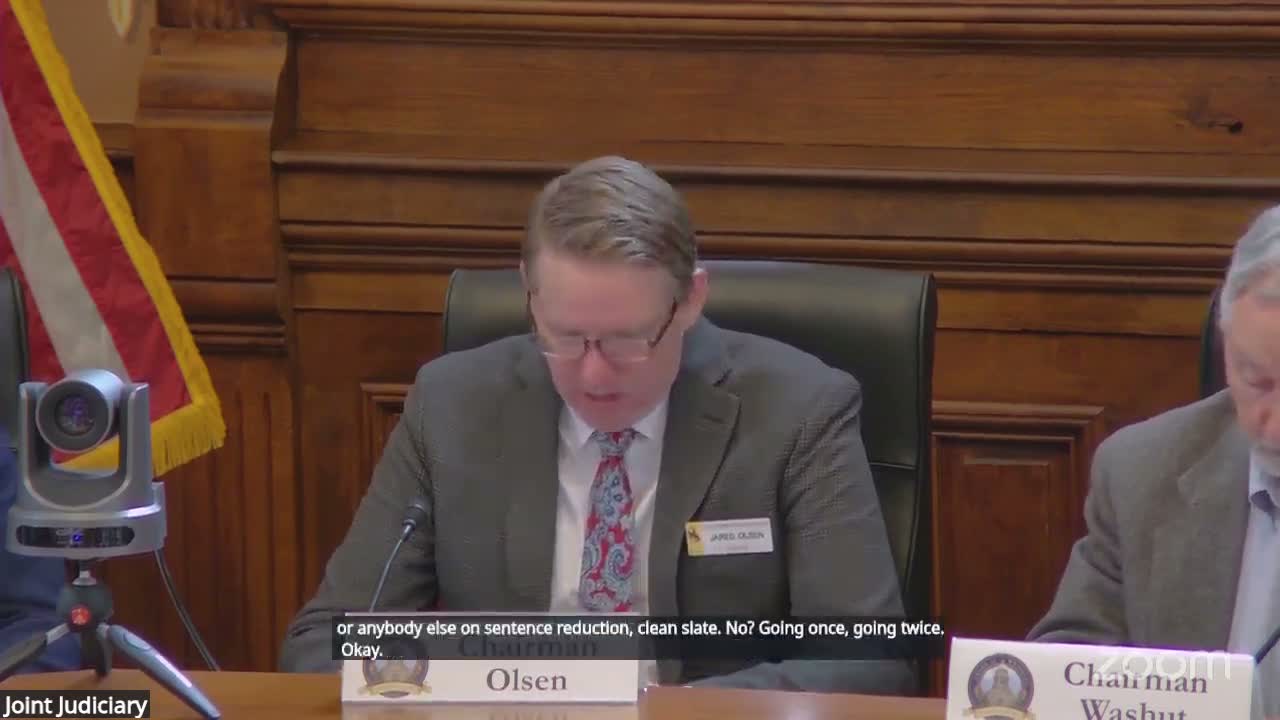
Summary
At the Joint Judiciary Interim Committee, Sheridan resident Kate Gladden urged lawmakers to study Wyoming Statute 6-2-106 so prosecutors can consider prior DUIs and other aggravating factors when pursuing charges in fatal crashes; advocates and county attorneys signaled interest in an interim review.
At a Joint Judiciary Interim Committee meeting, Kate Gladden of Sheridan told lawmakers the state’s current law treats many fatal crashes as misdemeanors regardless of a driver’s prior record and urged the committee to study Wyoming Statute 6-2-106 so prosecutors have discretion to charge felony vehicular homicide when clear aggravating factors exist.
Gladden, whose mother was killed while walking in a marked crosswalk, summarized the driver’s history — prior DUI, probation for domestic battery, evading law enforcement and excessive-speed convictions — then said she was told by officers that “we’re charging him with vehicular homicide, but I’m sorry. It’s just a misdemeanor.” She asked the committee not for mandatory felonies but for “prosecutorial discretion when aggravating factors are present such as a prior DUI and documented dangerous driving.”
Michael Cusick of Wyoming Pathways, which promotes safer streets for pedestrians and bicyclists, told the committee the change would provide prosecutors “a tool in the toolbox” to seek stronger penalties when a pattern of dangerous driving exists. Cusick said the group has contacted all 23 county attorneys and that many expressed interest in partnering on a discussion of statutory options.
Representative Connolly sponsored the interim topic and framed it as closing a gap that prevents prior driving history from being considered at charging. Committee co-chairs and members acknowledged the issue has been studied before and said they would consider the request as an interim topic for further study and discussion with county prosecutors and stakeholders.
The committee did not vote on legislation at the meeting. Members were asked to complete ranking sheets for interim topics and return them to LSO so the co-chairs can prioritize topics and send recommendations to management council.