
Senate approves worker-notification bill after hours of debate over private lawsuits and business burdens
Get AI-powered insights, summaries, and transcripts
Subscribe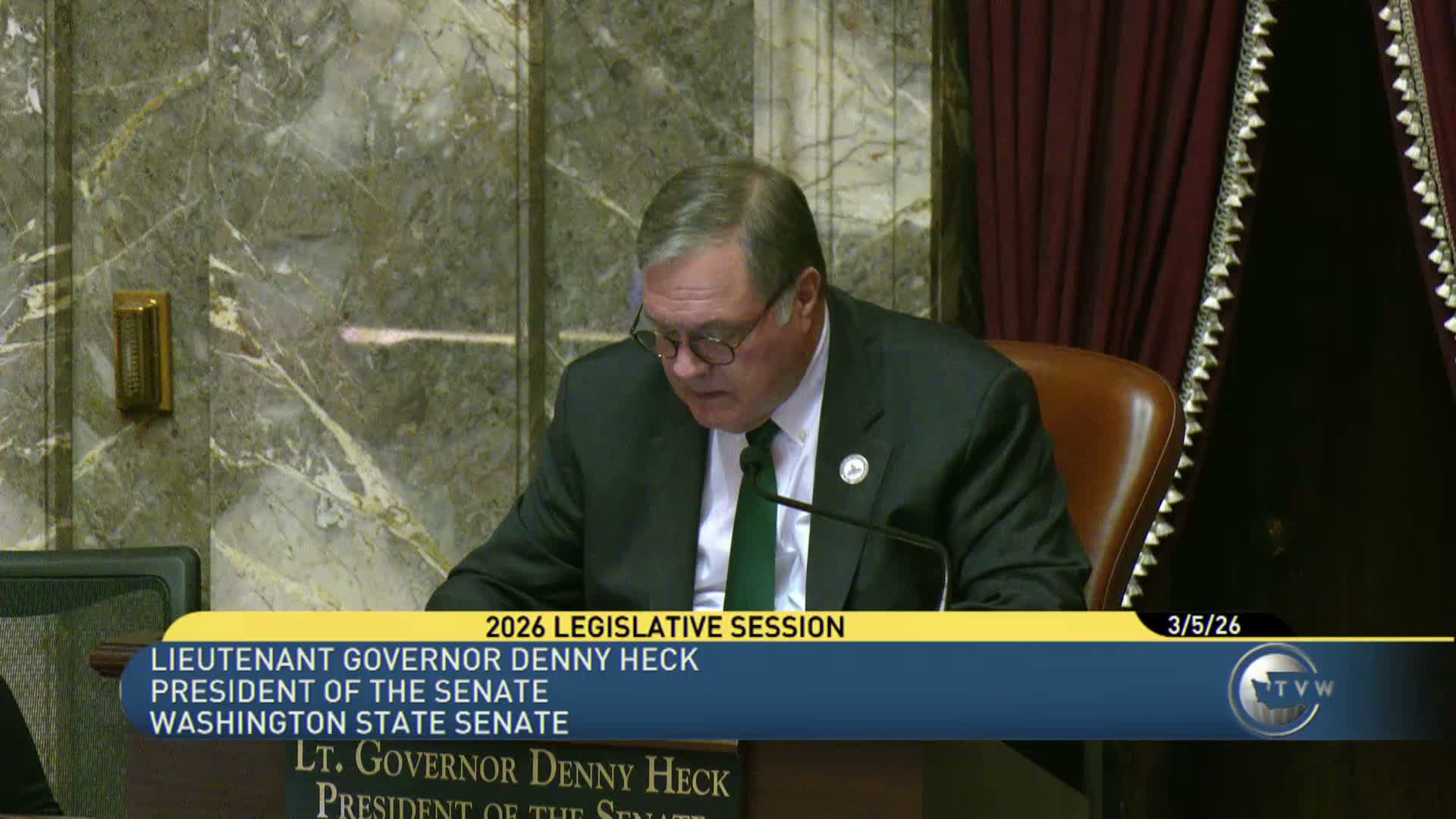
Summary
The Washington Senate passed second substitute House Bill 2105, which requires employers to notify workers about federal I‑9 audits and inspection results and creates enforcement tools including civil actions by the attorney general and a limited private right of action. Supporters said it protects vulnerable workers; opponents warned it imposes undue litigation risk and compliance costs on employers.
The Washington State Senate late on the floor passed second substitute House Bill 2105, the bill that requires employers to notify employees within five business days after receiving notice of a federal I‑9 inspection and allows the attorney general and certain injured workers to bring civil enforcement actions.
Senator Saldana, the sponsor on the floor, said the measure responds to episodes where businesses and workers were thrown into chaos after federal inspections and that timely notice gives employees the chance to correct documentation or seek assistance. "This bill requires employers to notify their workers within five business days of receiving notice of a federal inspection of I‑9 forms and ... receiving any results of those inspections," she said during floor remarks.
Supporters argued the bill gives vulnerable workers — including many who do not have English as a first language — a practical protection and a route to relief. Senator Warnock and others said civil enforcement by the attorney general plus a narrow private right of action strikes a balance between worker protections and enforcement discretion.
Opponents pressed a different concern: the bill, they said, places a tight timeline and substantial litigation exposure on employers, including small businesses. Senator King said the measure "puts the problem on the back of business," noting the five‑day notification deadline could be difficult to meet and that private lawsuits could follow. Senator Braun and others warned the private right of action could produce costly litigation and argued the attorney general should be the primary enforcement mechanism.
On the floor, lawmakers considered and rejected several amendments that would have substantially narrowed the private right of action. Lawmakers debated who may bring suit, whether nonprofit representatives or unions could file claims, and whether the state should preemptively fund potential higher education legal costs; several amendments failed on adoption votes.
The bill was advanced under suspension of the rules and, after a roll call, declared passed by the presiding officer.
What happens next: With Senate passage, the bill as amended will be enrolled and sent to the governor (or to the House for concurrence depending on the amendment posture). Floor debate did not produce a unanimous position; supporters said the change will improve worker notice and safety, while opponents said it risks burdensome litigation for employers.
Vote and procedural note: The bill was declared passed on the floor. The roll-call text in the transcript contains numerals discussed during the tally, but the official roll-call sheets should be consulted for an authoritative vote count and to confirm any excused or absent members.