
Energy Secretary Chris Wright says naval escorts, temporary oil supplies will ease gas-price spike
Get AI-powered insights, summaries, and transcripts
Subscribe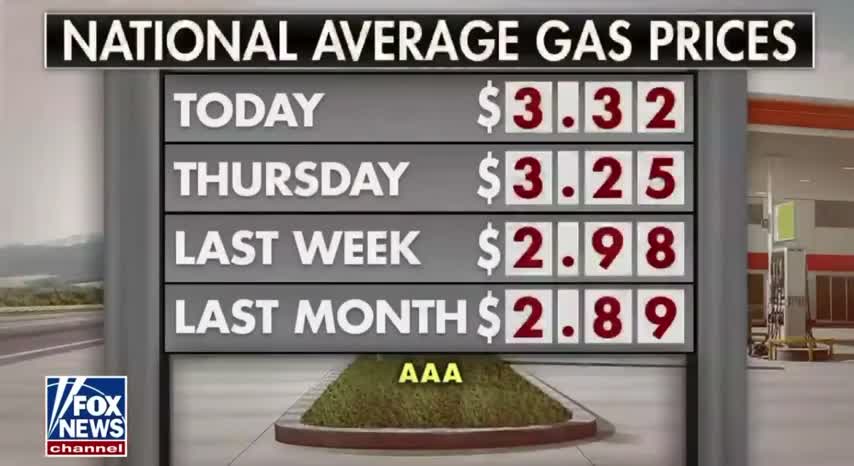
Summary
Energy Secretary Chris Wright told a reporter the administration plans to use U.S. military assets to suppress Iran's disruptive actions and escort ships through the straits, and to move existing floating oil supplies into refineries to speed delivery — steps he said should relieve pump prices in "weeks, not months."
Energy Secretary Chris Wright said the administration will use U.S. military assets to limit disruptions in the Middle East and escort commercial ships through the straits to restore energy flows, while routing floating oil supplies into nearby refineries to get fuel to market faster.
"As quickly as we can," Wright said when asked how soon escorts would be put in place. He described the military's immediate goal as "to suppress Iran's ability to wreak havoc" so energy shipments can resume safely.
The interview opened with the reporter noting the national average price for a gallon of regular gasoline had risen more than 30 cents since last week amid the Iran conflict. Wright framed the administration's response as focused on both security and logistics. He said moving barrels already on the market into refineries is a pragmatic way to restore flow to Asian and other refineries near Russian tankers and avoid a change in policy toward Russia.
On the timeline for consumer relief, Wright said the disruption should be brief. "I would say, in the worst case, but it's weeks, not months," he said, adding that the administration is taking steps now to mitigate shortages.
Wright also addressed why the United States does not immediately send more oil to Asia and Europe, saying most U.S. oil currently moves to the Western Hemisphere and longer ship transit times make it slower to redirect supplies overseas.
There were no formal actions or policy changes announced during the interview. Wright described the measures as short-term mitigation and security steps; he did not provide a timetable for when naval escorts would begin or specific volumes of oil to be re-routed.
The interview closed after roughly 10 minutes of questioning; officials did not announce further hearings or formal votes related to the steps discussed.