Get Full Government Meeting Transcripts, Videos, & Alerts Forever!
Get email alerts on the Incentive Programs topic
No spam. Unsubscribe anytime.
Sustainability manager reports mixed uptake for EV, e-bike and lawn‑equipment incentives; members discuss voucher pilot
Summary
Staff reported Q1 trends: last fiscal year budgets were $150,000 for EV incentives, $100,000 for e‑bikes and $50,000 for lawn equipment; e‑bike spending stayed within budget, lawn‑equipment incentives exceeded funds and staff temporarily shifted funds from the e‑bike pool. Members discussed exploring upfront vouchers and vendor models for low‑income participants.
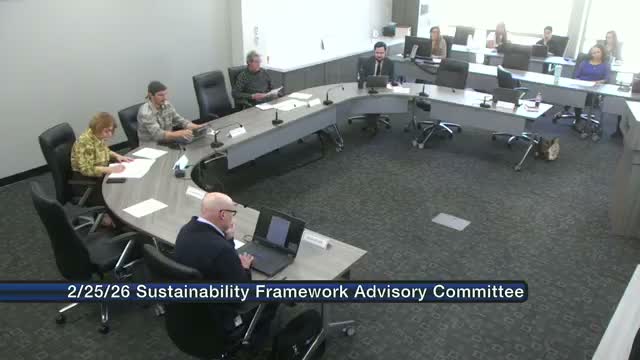
The committee received an update on fiscal‑year 2025–26 first‑quarter activity for the sustainability incentive programs, with staff reporting varied uptake across electric vehicle, e‑bike and lawn‑equipment rebates and proposals to explore voucher approaches for low‑income residents.
The sustainability manager told the committee that last fiscal year the program budgeted about $150,000 for EV incentives, $100,000 for e‑bikes and $50,000 for lawn equipment and that e‑bike expenditures remained within the allotted amount while lawn‑equipment incentives exceeded funding. "So just a reminder, 150,000 for EVs, a 100,000 for e bikes, and 50,000 for lawn equipment last fiscal year," the sustainability manager said. Staff said they temporarily shifted some e‑bike funds to cover lawn‑equipment payouts and noted EV applications rose from 17 to 35 in the two months after the first‑quarter snapshot.
Committee members pressed staff on equity and implementation. One member proposed a pilot that would provide an upfront voucher to low‑income participants rather than a rebate after purchase, saying an upfront voucher would reduce out‑of‑pocket burdens and better meet program goals. Staff described models used elsewhere, including vendor barcodes or retailer billing tied to the program, and cited examples where cities have allowed self‑certification of income to reduce administrative burden.
Members also asked logistical questions about vendor partnerships and whether the city requires registration or licensing for e‑bikes; staff said shared/micromobility services are typically third‑party run and that registration for privately owned e‑bikes is not required locally. The committee asked staff to explore feasibility, potential vendor arrangements and how income verification might be simplified.
The committee did not take a formal vote on program changes at the meeting; staff said they would continue monitoring program results and return with options for pilot design and departmental discussions about feasibility.