Get Full Government Meeting Transcripts, Videos, & Alerts Forever!
Get email alerts on the Child Health topic
No spam. Unsubscribe anytime.
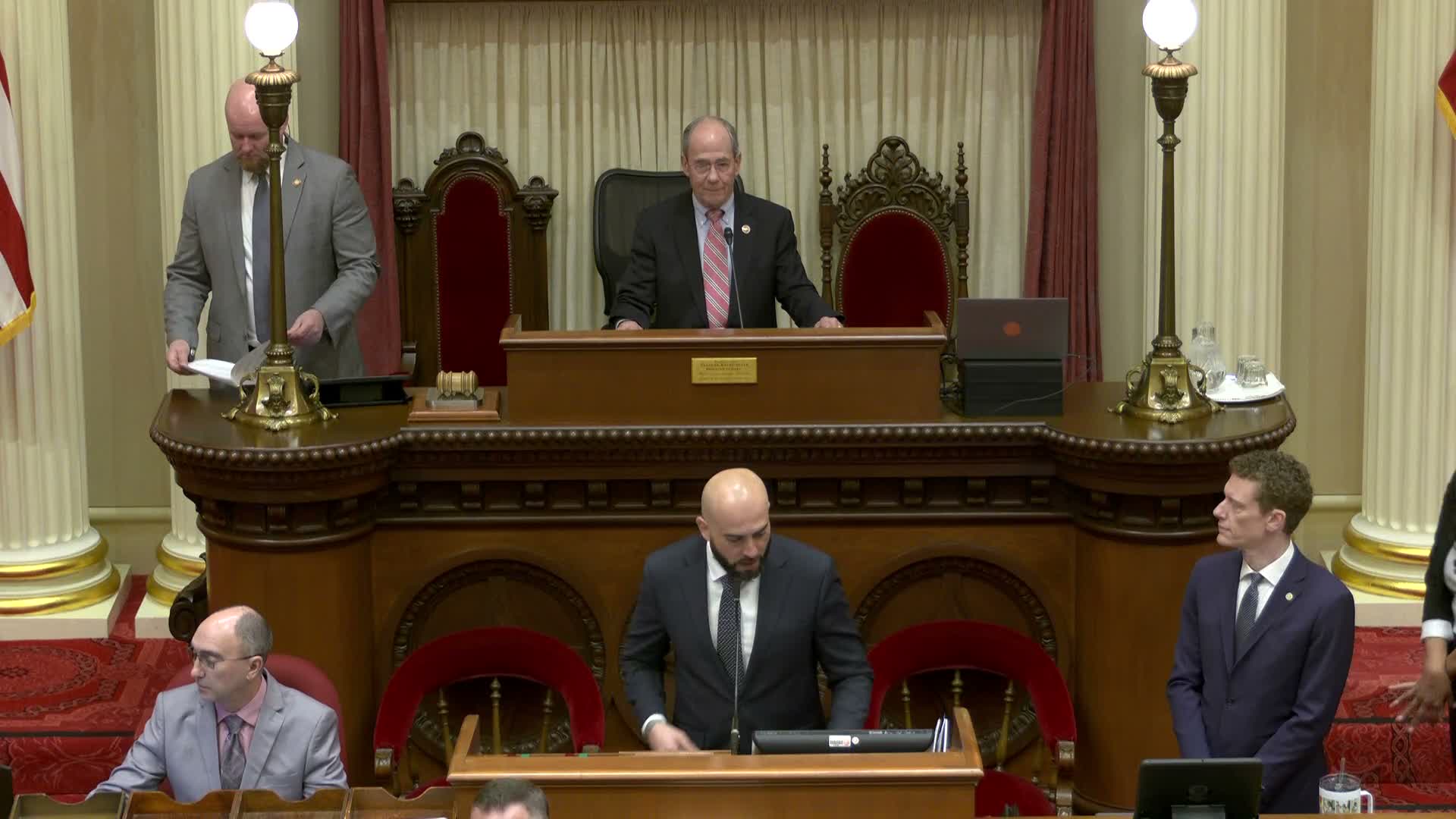
California State Senate adopts resolution recognizing National Children’s Dental Health Month
Summary
The California State Senate unanimously adopted Senate Resolution 82 recognizing February as National Children’s Dental Health Month; sponsor Senator Perez highlighted tooth decay as the leading infectious disease in children and urged prevention and access to dental care.
The California State Senate on the floor session adopted Senate Resolution 82 recognizing February as National Children’s Dental Health Month, sponsor Senator Perez said.
Senator Perez told colleagues that tooth decay remains “the number 1 infectious disease affecting children, although largely preventable,” and cited state data showing many children experience untreated decay. Perez said that while recent Medi-Cal expansions and provider-rate increases via Proposition 56 have improved access, disparities persist across race, ethnicity and socioeconomic status.
The resolution notes that about half of California children are enrolled in Medi-Cal and stresses early preventive measures, including a first dental visit near a child’s first birthday, brushing with fluoride toothpaste for two minutes twice daily, and consideration of sealants for permanent molars. Perez said untreated cavities can lead to emergency-room visits and problems with eating, speaking and learning.
The clerk called the roll on the resolution; the presiding officer announced, “Ayes 31, nos 0,” and declared the resolution adopted. The resolution does not direct funding or program changes; it recognizes the month and encourages awareness and preventive care.
Senator Perez framed the measure as a public-health reminder and asked for colleagues’ support; the resolution passed unanimously.
The Senate proceeded to additional business after adoption.