
Committee member says federal workforce cuts and 'loyalty tests' have hampered agencies
Get AI-powered insights, summaries, and transcripts
Subscribe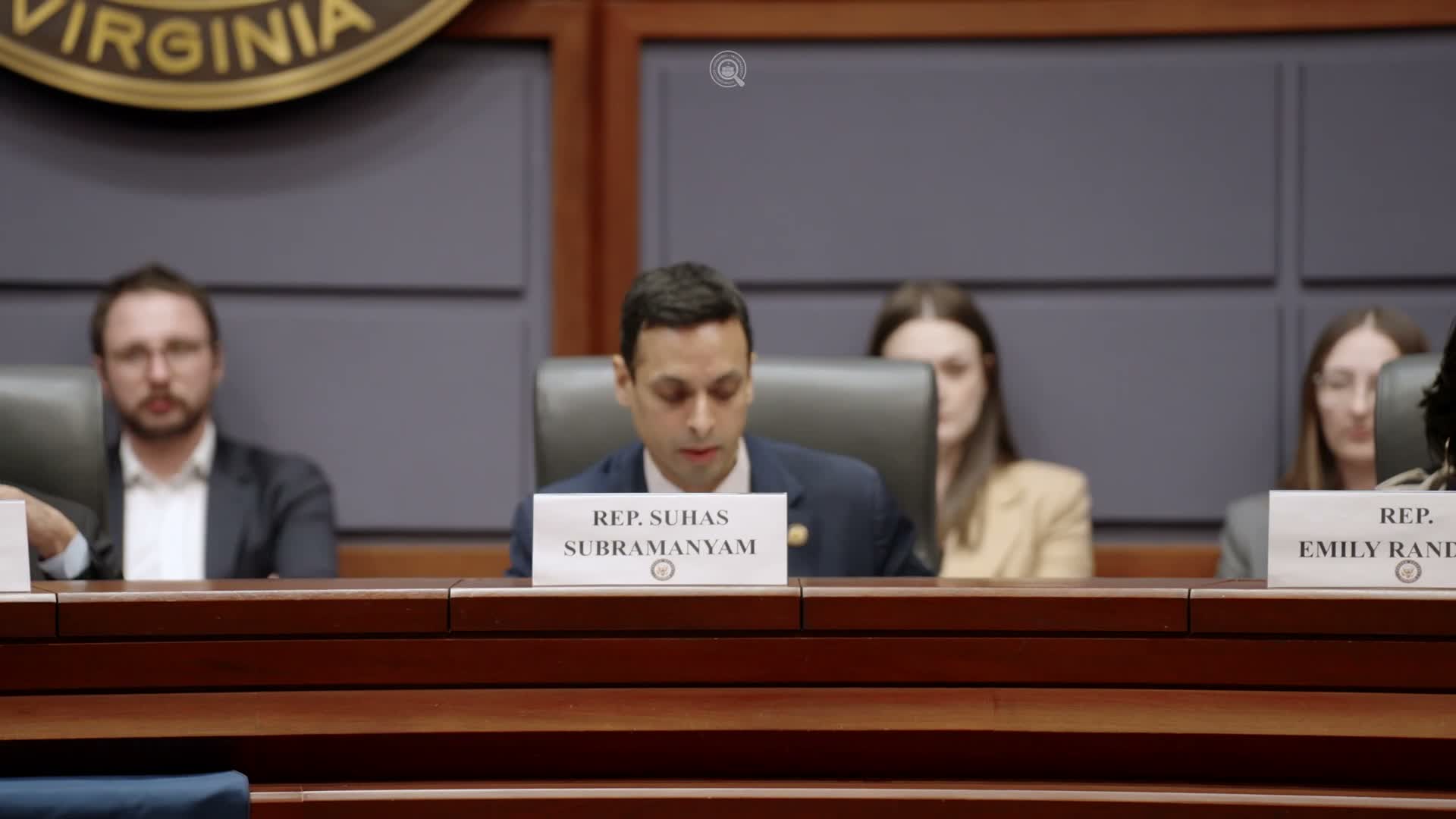
Summary
At a committee hearing, a member alleged that initiatives she called 'DOGE' and the 'Russell vote' led to thousands of federal job losses, longer service delays and politicized hiring; Representative Comstock and witness Mister Shriver described personnel attrition and a campaign to reshape public awareness of federal work.
A committee member at a congressional oversight hearing said recent personnel changes tied to initiatives she called "DOGE" and the "Russell vote" have damaged federal agencies, citing large staff losses and longer service delays.
"DOGE was and now this new project by Russell vote, was never about making government more efficient or more effective," the committee member said. She told lawmakers the Social Security Administration lost "6,500 employees in 2025," and that "there's been a 24% decrease in field staff in just my district alone," adding that those reductions had created "huge wait times" for constituents.
Why it matters: The committee member framed the staffing changes as producing real-world service disruptions — delayed Social Security assistance, a backlog on public service loan forgiveness and slower tax refunds — and described the effort as politically motivated. "It's been about loyalty to the president and getting rid of all the people who may not be loyal to the president," she said.
Representative Comstock, whom the committee member addressed about the Justice Department, said many career offices were asking questions that implied political alignment with the president's agenda. "What how do you support the president's agenda? That is not something...career employees nor should it be," Representative Comstock said, adding that the honors program for new lawyers was eliminated and that agencies are struggling to recruit experienced attorneys.
Comstock described staffing consequences she said have reduced the department's ability to attract talent and said some offices had informal recruitment posts seeking staff sympathetic to the administration.
Asked how to reverse the trend, Mister Shriver, a witness the committee member described as "on the front lines," urged better public storytelling about federal work and recruitment. "They don't understand that 80% of federal workers live outside the DMV," Mister Shriver said, listing frontline roles such as food inspectors and air traffic controllers and describing an outreach effort he called the Democracy Works 250 project to "help the American people understand what federal workers are really all about."
The hearing record shows these claims as statements by participants; the exchange did not include documentary evidence in the transcript for the staffing numbers or financial totals cited, and the committee member did not define the terms "DOGE" or the "Russell vote." The witnesses and representative described policy and hiring practices as they perceive them but did not present formal legislation or a committee vote during this exchange.
The committee member concluded by thanking participants and returning to other business.