Chair warns proposed "schedule policy career" could block whistleblower complaints, witnesses say
Loading...
Summary
At a congressional hearing, the chair and witnesses warned that a proposed Office of Personnel Management rule called "schedule policy career" (formerly Schedule F) could convert up to 50,000 career civil servants to at‑will employees and channel whistleblower complaints inside agencies, limiting independent review.
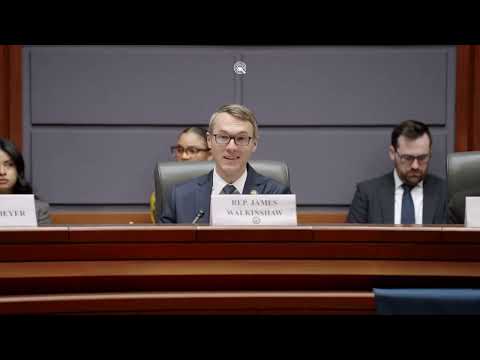
At a congressional hearing, the presiding member pressed witnesses on a proposed Office of Personnel Management rule called "schedule policy career" (formerly Schedule F), saying it could convert as many as 50,000 nonpartisan civil servants into at‑will employees and strip them of access to outside whistleblower review. "So the fox would be guarding the hen house," the chair said.
The chair asked Williams, a witness in the hearing, to explain how the rule would affect reclassified employees' ability to report fraud or corruption without fear of retaliation. Williams said the schedule policy career and other proposed OPM regulations "are attempting to do with regulation what this administration could not do legislatively, which is to completely decimate our civil service." She said the changes would make it harder for employees to blow the whistle and would chill the remaining workforce.
Williams also testified that a rule proposed that week by the Office of Personnel Management would remove the Merit Systems Protection Board from the process and cut the Office of Special Counsel out of review, shifting complaint evaluation to an employee's own agency. "We end up having a population...that will have a harder time blowing the whistle," Williams said, warning of a chilling effect across the service.
The chair then asked Mr. Shriver what steps would be needed after the current era to convince talented people pushed out of government to return. Shriver, a witness, said "There needs to be a big effort to rebuild trust. There's so much damage that has been done." He described scores of recent hires who were terminated as probationary employees and said restoring guardrails and clear protections would be necessary to attract and retain public servants.
Shriver emphasized that federal workers often accept lower pay relative to the private sector to serve the public and expect to be judged on merit rather than politics. He called for measures to rebuild trust, restore protections and reassure the public that federal employees work for them.
The chair yielded back at the end of the exchange.