
Councilor Sullivan’s proposal to require remote commenters’ cameras draws access and safety concerns
Get AI-powered insights, summaries, and transcripts
Subscribe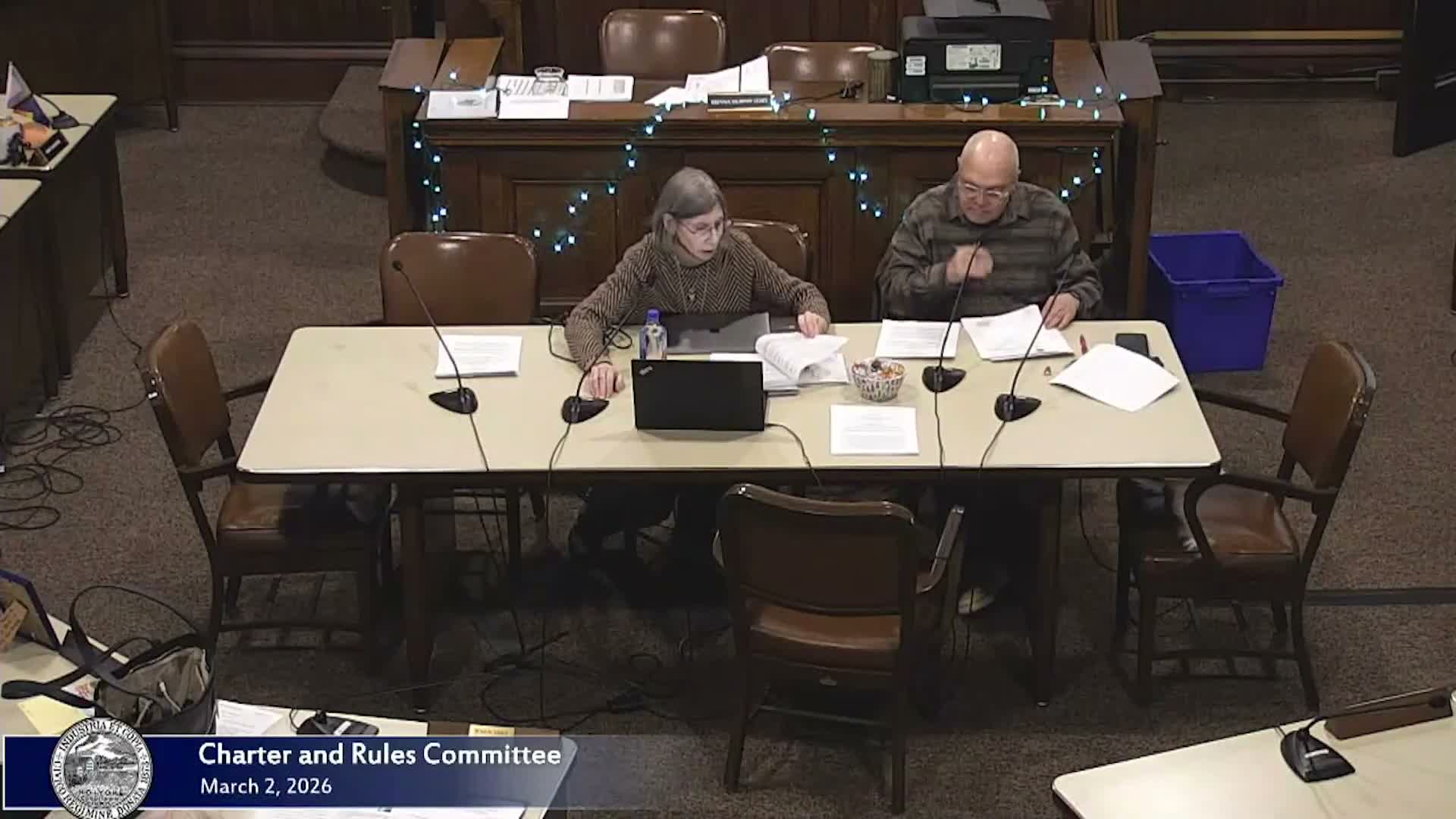
Summary
A proposal filed by Councilor Mike Sullivan to require remote public commenters to have cameras on and tighten identification rules was debated by the Holyoke Committee on Charter and Rules. Members, legal staff and tech staff raised concerns about accessibility, privacy and enforcement; the committee tabled the proposal to seek further legal guidance.
Councilor Mike Sullivan introduced an order asking the city to amend council rules so remote participants making public comment must keep their cameras on while speaking and otherwise strengthen identification rules for remote commenters. "My other concern is also with AI, it could be anybody whereas we have a person standing here, we know who it is," Sullivan said, arguing the change would help ensure the person on the screen is the person making the comment.
The committee’s discussion split along two lines: security/verification and access/privacy. Vice Chair Linda Bacon said the council should know who is addressing it and that commenters who want their remarks recorded in the public record should provide a name and address. "If they're going to come in on the microphone in public, they need to tell us their name and where they live," Bacon said. By contrast, Councilor Ann Talheimer and Councilor Meg McGrath Smith warned that a camera requirement risks disenfranchising people without reliable internet, people with disabilities, and others with safety or privacy concerns. "Requiring someone to have their camera on for public comment seems like a way to disenfranchise people participating in this," Talheimer said.
Jeffrey, the staff member overseeing the meeting platform, told the committee technical choices affect moderation. He explained that promoting someone to a Zoom panelist incurs a delay that can complicate removing a disruptive participant, and that allowing attendees to speak (rather than becoming panelists) permits quicker removal if needed.
City Solicitor Bissonnette advised the committee on legal limits. He said a governing body that establishes a public comment period must apply content‑neutral rules and may adopt identification requirements that avoid undue barriers or a poll‑tax effect. "You may require people to identify that they are living in the community," the solicitor said, but cautioned that requirements must be narrowly tailored to avoid chilling speech or creating safety risks. He suggested options such as limiting comment to matters on the agenda or within council jurisdiction and offering reasonable accommodations for people who cannot provide video.
Faced with competing concerns about safety, inclusion and enforceability, the committee voted to table the camera/identification order and directed staff and the law department to draft options and guidance for a future meeting. The motion to table passed unanimously.