Get Full Government Meeting Transcripts, Videos, & Alerts Forever!
Get email alerts on the Civic Engagement And Public Comment topic
No spam. Unsubscribe anytime.
Residents urge transparency, less restrictive public‑comment rules and formation of lived‑experience advisory group
Summary
Multiple public commenters urged the council to preserve open public comment, improve transparency on overdose statistics and consider a lived‑experience committee; the council referred a proposal to form such a committee to Public Safety.
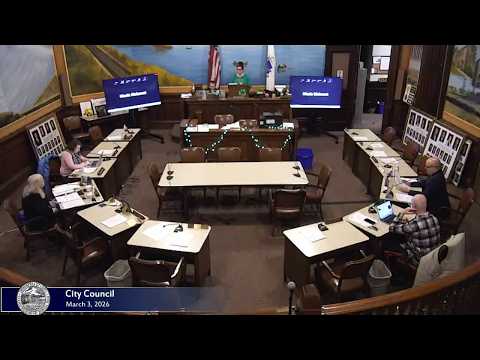
Public comment at the March 3 Holyoke City Council meeting raised access and policy concerns that councilors said they would continue to address in committee.
Speakers during the allotted two‑minute public comment slots urged the council not to limit resident access to meetings, asked for clearer and regularly updated overdose and treatment statistics, and called for the city to consider policy positions on international matters and local housing issues. David Owen outlined a timeline for implementing a newly discussed CAFO position and completing audits. Jose Estrada urged divestment from certain businesses and asked for more outreach and expanded substance‑use treatment and housing services. Several residents — including Jennifer Keat and Spencer Fox Peterson — cautioned against any changes to public‑comment rules that would narrow participation, emphasizing that public comment is “one of the few direct access points residents have to this body.”
Separately, Councilor Israel Rivera filed an order (Item 51) asking the council, in collaboration with the mayor, to create a lived‑experience committee representing residents from all seven wards to advise on homelessness, substance use disorder, education and quality‑of‑life issues; the Council sent that order to the Public Safety Committee for further conversation. The agenda items on public‑comment rules and committee structure were referred to appropriate committees for fuller discussion and any proposed rule changes will return to the council for a vote.
The record contains a mix of policy suggestions and personal opinions voiced during public comment. Councilors who asked for more time to review legal forms or for interviews to be scheduled emphasized following standard committee processes while trying to move urgently on matters that affect service‑delivery and community engagement.
Next steps: the lived‑experience committee proposal will be discussed in Public Safety; proposed changes to public comment procedures will be vetted in the committees identified by the Council.