
Alpine council weighs five water options for Skyway Gardens, backs short-term fix and next steps for upper-hill plan
Get AI-powered insights, summaries, and transcripts
Subscribe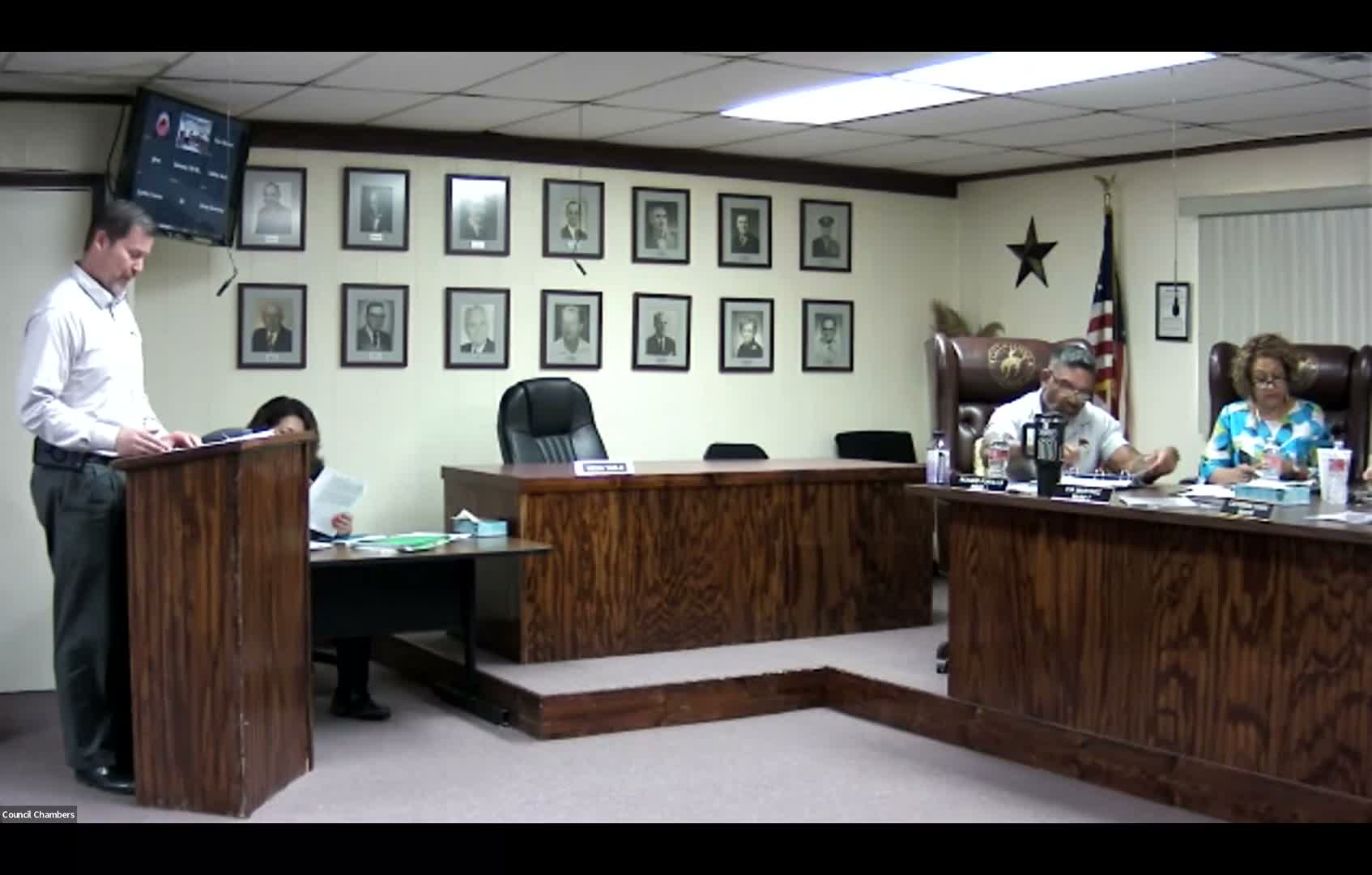
Summary
After a technical presentation, consultants and councilors converged on a two-track approach: short-term temporary measures the developer can install for immediate water service and starting work on an 'upper-hill' pressure-plane improvement that would resolve broader low-pressure problems while staff pursue larger funding applications.
Consultants told the Alpine City Council on Tuesday that serving the new Skyway Gardens development will require upgrades beyond the city’s existing low-pressure system, and they outlined five engineering options with markedly different costs, timelines and risks.
Andy Vassilio of Jacob & Martin said the most immediate constraints are elevation and metering: "As you go south out of town, the ground elevations get higher," he said, and the Lower Hill pressure plane “cannot serve Skyway Gardens because you won't have high enough pressures.” He presented three ways to create a new pressure plane (options a, b and c), an upper-hill pressure-plane alternative, and a revived Sol Ross alignment that would require easements and administrative metering work. Estimated costs ranged from the lower-end pump-station option to $2.5–$3.75 million for new pressure-plane builds.
Council discussion focused on balancing short-term needs for the developer and long-term service to neighborhoods already experiencing low pressure. Council member Erickson, who holds plumbing credentials and said he favors planning for expansion, recommended option b as a future-facing choice because it would facilitate annexation and service down Cemetery Road. Council member Stevens urged fiscal caution and asked for clearer analysis of long-term financial impacts on existing ratepayers.
Vassilio and utilities staff described a practical two-track course: allow the developer to pursue a temporary, TCEQ‑approved booster arrangement to meet an end-of-year financial obligation, while the city begins work on the upper-hill solution that could be delivered in roughly 4–7 months. "My suggestion would be to starting tomorrow, is start working on the upper hill pressure plan," Vassilio said, adding that the temporary fix should be limited to months rather than years.
Utilities director Mike Macias said a contractor will expose the pump station yard piping within days so staff can assess whether the pump can be returned to service; the director expects a contractor on site Friday for the inspection. Vassilio said ordering times for mechanical and SCADA parts could drive schedule length for the upper-hill work and that some options will require easement acquisition or TxDOT permitting for new 12‑inch mains.
Funding prospects will be pursued in parallel. Jacob & Martin plans to submit multiple preliminary project information forms (PIFs) to the Texas Water Development Board by the imminent deadline and will meet with USDA and other agencies about grants and low-interest loans. Vassilio suggested splitting an approximately $18 million program of water and well-field projects into smaller, more fundable PIFs (smart meters; downtown lines and hydrants; individual well-field work).
Next steps: council agreed by consensus to let consultants and staff work with the developer on short-term solutions and to prioritize advancing the upper-hill pressure-plane work and a system-wide master plan. Staff will return with more definitive budgets and schedule options; the utilities director said he will report back after the pump inspection.