DeSantis convenes roundtable, urges Florida'led AI safeguards to protect children

Governor DeSantis Roundtable on Artificial Intelligence ยท March 6, 2026

Get AI-powered insights, summaries, and transcripts

Subscribe
AI-Generated Content: All content on this page was generated by AI to highlight key points from the meeting. For complete details and context, we recommend watching the full video. so we can fix them.

Summary

At a Tallahassee roundtable, Governor DeSantis and experts pressed for state safeguards for consumer-facing AI, citing parental testimony about chatbot harms and outlining Senate proposals on deepfakes, parental controls, labeling and data protections.

Governor DeSantis convened a roundtable in Tallahassee to press for state-level safeguards on consumer-facing artificial intelligence, saying the technology is advancing faster than protections and that Florida must act to protect children.

DeSantis said the state'level measures he supports would focus on transparency and child safety while avoiding corporate subsidies for large AI data centers that could raise costs for ratepayers. He described a set of principles including keeping "humans in charge," requiring an "off switch," and holding companies accountable for harms.

The governor outlined provisions under consideration in the Florida Senate: tighter protections against explicit deepfakes involving minors; requirements that consumers be clearly notified when they are interacting with an AI rather than a person; parental access to children's chatbot conversations and tools to set parameters and receive warnings of concerning behavior; limits on sharing personally identifiable information; and prohibitions on state and local governments using certain foreign AI tools.

"We want technology that enhances the human experience, not technology that supplants humans," DeSantis said, arguing that safety standards can increase consumer trust and ultimately support innovation.

Experts on the panel supported the approach. Dr. Max Tegmark, introduced as from MIT, said companies should demonstrate that products do not harm children before marketing them to young users and compared AI regulation to established safety regimes in other industries.

Maya Tegmark, a psychology researcher and professor, described how AI companions and chatbots are designed to maximize engagement and can rapidly build rapport with vulnerable children, leading to compulsive use, social isolation and exposure to inappropriate content.

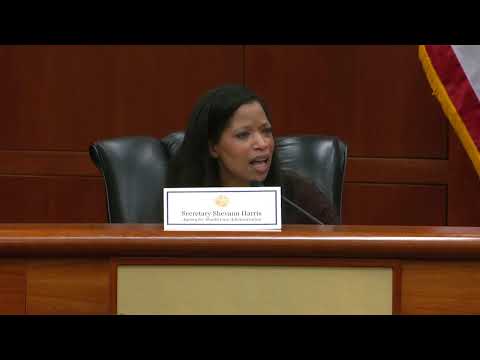
Officials on the panel emphasized the need for training and resources. Siobhan Harris, Secretary for the Agency for Healthcare Administration, said clinicians and teachers often lack tools to recognize AI'related psychological harms and called for coordinated training and reporting mechanisms. The Department of Children and Families also pledged to pursue prevention resources and community supports.

DeSantis argued that federal action has been slow and that states must act: "Are we going to create a framework that's going to protect Floridians, particularly our kids, or is big tech just going to police itself?" he said.

The roundtable did not include formal votes; participants called for legislative follow-through, improved clinician education and supports for families of survivors as next steps.