Panel Considers SB295 to Expand Shield Protections for Telehealth Reproductive and Gender‑Affirming Care
Loading...
Summary
Supporters urged lawmakers to broaden Connecticut's shield law to protect providers who offer reproductive and gender‑affirming care via telehealth to out‑of‑state patients; opponents raised constitutional and interstate‑comity concerns.
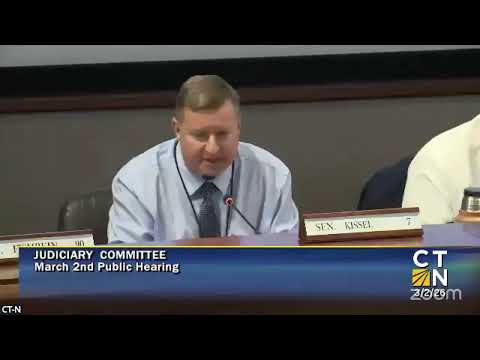
Lawmakers heard testimony on SB295, a proposal to expand Connecticut's existing reproductive‑care shield statute to protect clinicians who provide legally protected care by telehealth, and to add procedural protections (including limiting extradition and disclosure) for providers and patients.
Proponents included clinicians, reproductive‑rights organizations and legal experts. "Telehealth is the preferred method for many patients and a critical access point after Dobbs," said Quinn Meehan of Universal Healthcare Foundation, arguing the bill reduces legal risk that could otherwise shrink the provider workforce. OB‑GYNs who treat patients across state lines stressed telemedicine's safety for early medication abortion and described cases where patients had to travel long distances or delay care without telehealth access. Legal scholars and state advocacy groups noted that several other states have enacted similar telehealth shield provisions and that Connecticut could join that cohort to protect providers and patients.
Opponents raised concerns about federalism and interstate comity, and about extending shield protections to controversial care modalities for minors. "This bill replaces other states' policy choices with Connecticut's preferences," said Leslie Wolfgang of the Family Institute; she warned of constitutional questions and potential conflicts with other states' custody or regulatory decisions. Other witnesses urged narrower language or closer coordination with medical boards.
Committee members asked about the constitutional tests for refusal to cooperate with out‑of‑state investigations, the scope of the shield (civil vs. criminal), and how the bill would treat prescription labeling and professional discipline. Supporters cited recent court fights over out‑of‑state enforcement attempts and recommended clarifying language to withstand constitutional review.
No vote was taken; lawmakers signaled interest in further technical drafting to balance provider protections with interstate legal principles.
Provenance: Testimony spanned multiple segments where doctors, policy advocates and legal scholars addressed SB295 and related telehealth protections (witness blocks on telehealth shield and related policy).