Survivors Justice Act Draws Support from Advocates and Mixed Reactions from Prosecutors
Loading...
Summary
Supporters at the Judiciary hearing urged HB5306 to add sentencing and resentencing remedies for people whose crimes were tied to domestic violence, trafficking or sexual assault; prosecutors cautioned the bill may duplicate existing remedies and remove judicial discretion.
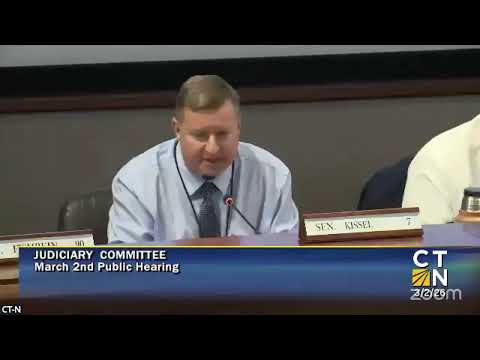
Advocates and academics urged the Judiciary Committee on March 2 to advance HB5306, known as the Survivors Justice Act, which would create a structured process for sentencing relief and resentencing when a judge finds a defendant’s criminal conduct was contributed to by domestic violence, sexual assault, stalking, or trafficking.
"This law makes sure that domestic violence can contribute to a criminal offense and therefore should be taken into consideration in sentencing," said Kate Mogulescu, legal and policy director of the Survivors Justice Project, citing New York’s experience since 2019. She described resentencing cases that produced concrete sentence reductions and said statutory guardrails and appellate review can limit inconsistency in outcomes.
Supporters included defense‑clinic directors, victim advocates, and survivors who said the current processes often fail to surface trauma during plea negotiations and at sentencing. Anna Van Cleave, director of the criminal defense clinic at UConn Law, urged removing documentary barriers that can exclude deserving survivors, noting New York’s experience where many deserving applicants lacked the required paperwork. The Survivors Justice Project’s data were cited showing resentencings and resentencing outcomes from New York as evidence the law targets a narrow population.
The Division of Criminal Justice sent concerns in writing and argued existing mechanisms — plea negotiations, trial presentation, sentence modification, parole, and commutation — can address mitigation and the division warned against removing judicial discretion. Deputy Chief State’s Attorney Lisa D’Angelo said prosecutors will continue to consider victimization in their sentencing recommendations and that the office had updated internal standards to stress consideration of victimization evidence in sentencing work.
Committee members asked detailed questions about the bill’s evidentiary standards, the proposed two‑document requirement and the interactions with board of pardons and parole procedures. Witnesses described proposed adjustments: several supporters urged clearer but not overly restrictive definitions of "contributing factor" and recommended procedural language to avoid the law being used outside its intended purpose.
No final vote was taken; the committee heard technical questions that suggest lawmakers may consider amendments to clarify evidentiary thresholds and how resentencing and commutation provisions interact with existing post‑conviction avenues.
Provenance: Testimony focused during the block of public comment that began with survivorship/law experts and continued through judicial Q&A (segments covering Kate Mogulescu, Anna Van Cleave, and others).