Get Full Government Meeting Transcripts, Videos, & Alerts Forever!
House passes bill extending defamation protections to AI/deepfakes, adds notice‑and‑takedown and limited damages
Summary
First substitute SB 256 clarifies that defamation law applies to AI‑generated and digitally manipulated content, creates a notice‑and‑takedown requirement before suit, limits damages if content is promptly removed, and exempts news reporting, parody and political speech; the House passed the bill unanimously.
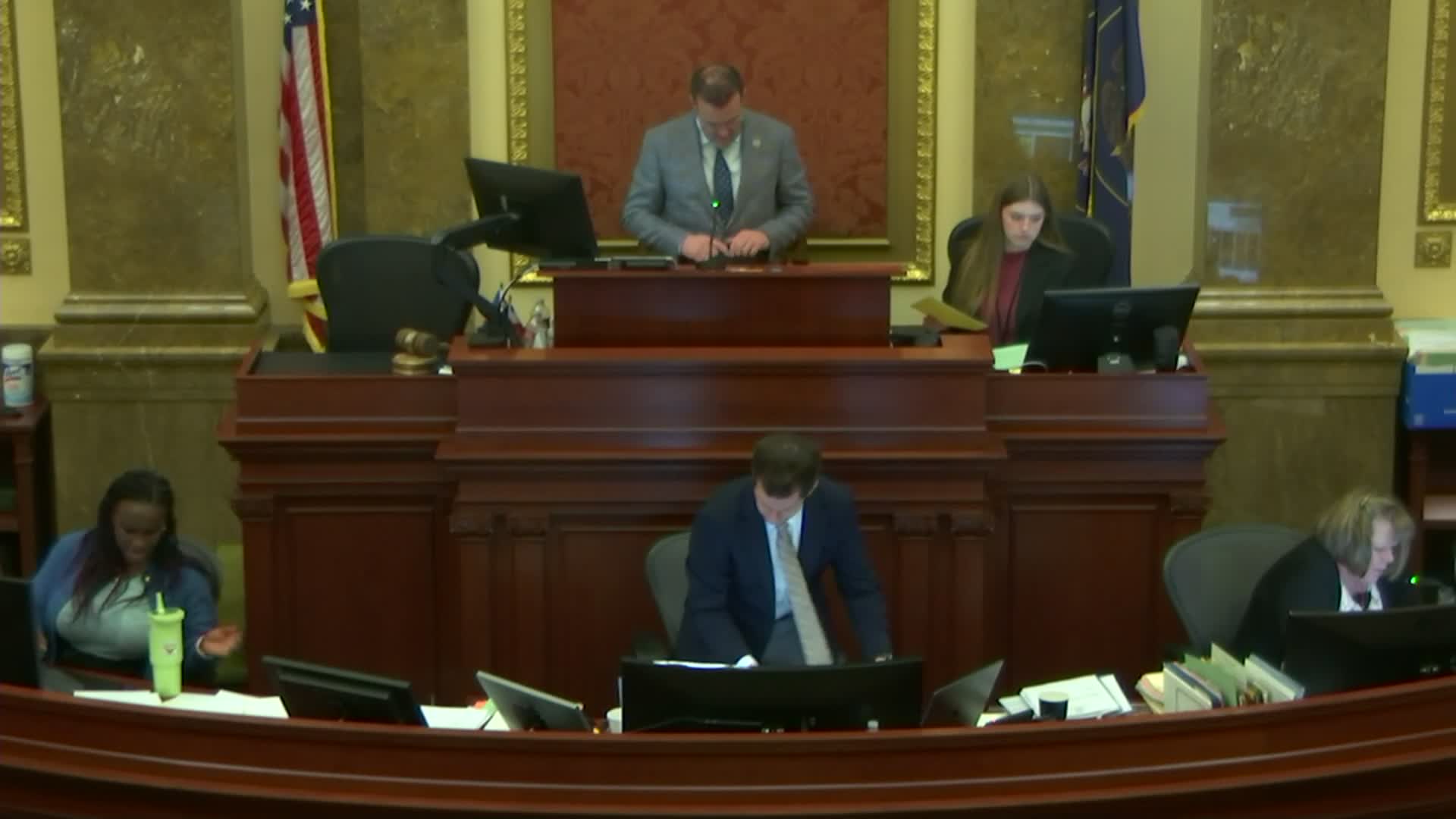
Representative Tuscher presented first substitute SB 256 as an effort to update defamation law for the age of AI and deepfakes. Tuscher told the House the bill targets harmful noncommercial deepfakes that can cause reputational or personal harm but do not always fit neatly into existing defamation doctrines.
"AI and deep fake technology have ... fundamentally changed…
Already have an account? Log in
Subscribe to keep reading
Unlock the rest of this article — and every article on Citizen Portal.
- Unlimited articles
- AI-powered breakdowns of topics, speakers, decisions, and budgets
- Instant alerts when your location has a new meeting
- Follow topics and more locations
- 1,000 AI Insights / month, plus AI Chat