
Senate approves bill to expand parental access to children's medical records
Get AI-powered insights, summaries, and transcripts
Subscribe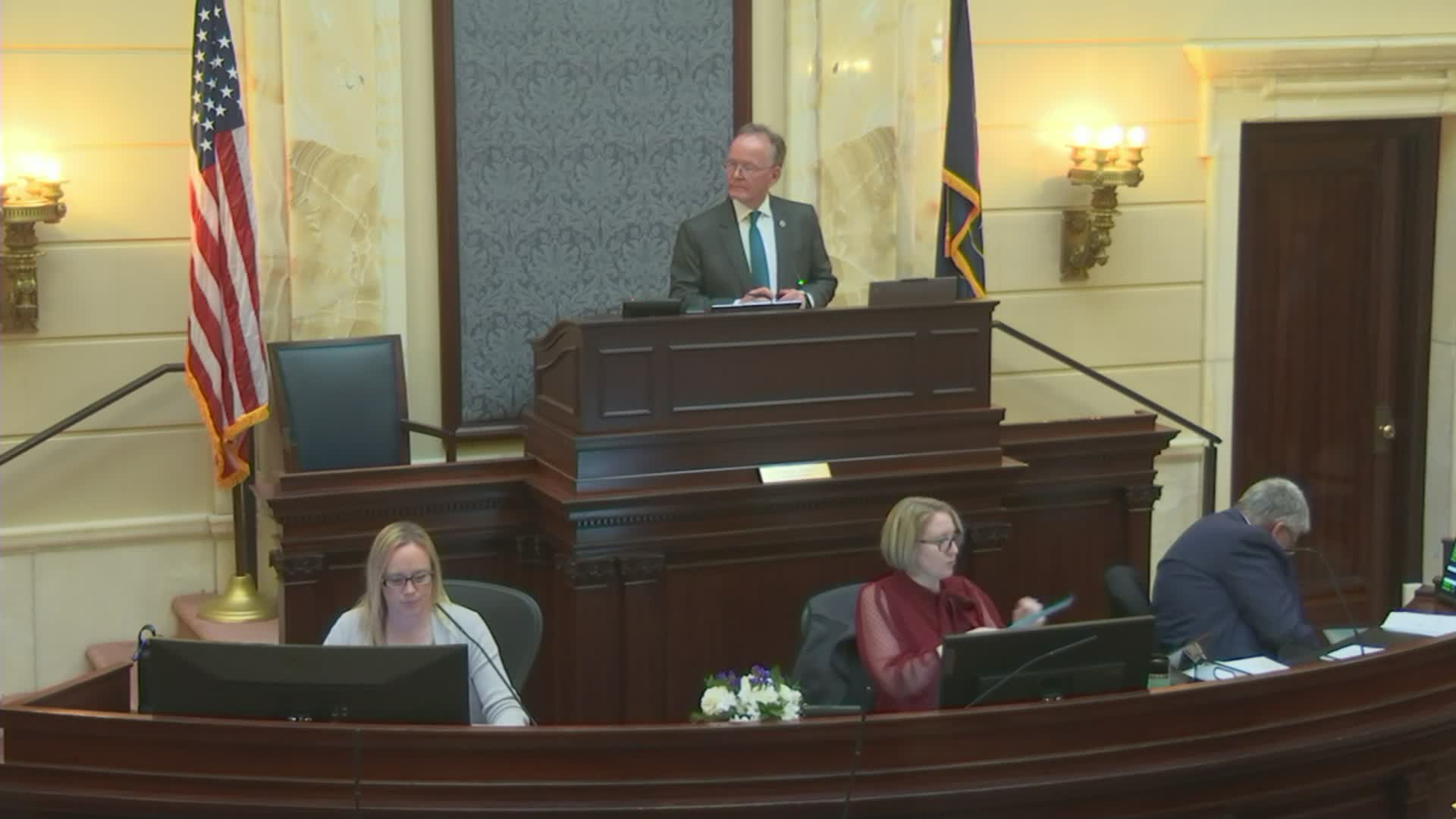
Summary
The Utah Senate on March 5 passed a sixth substitute to House Bill 259, shifting the default so parents can access their child’s medical records except in narrowly defined circumstances; the measure delays vendor compliance until Dec. 31, 2027 and reduces civil penalties for noncompliance.
The Utah Senate passed a substitute version of House Bill 259 on March 5 that makes parental access to a child’s medical records the default, with limited exceptions for emancipated minors, terminated parental rights and records covered by a confidential sexual‑assault counseling statute.
Sponsor Senator Brammer told colleagues the bill "provides that a parent has a right to access their child's medical records," while preserving a set of statutory exceptions and cross‑references to the confidential‑communications provision in section 77‑38‑204.
Why it matters: supporters said the bill shifts the burden on facilities that previously denied requests and aims to make it easier for parents to obtain records they need for care and decision‑making. Opponents cautioned about edge cases and potential conflicts with other federal or state protections.
Key details: Senator Brammer said the bill creates a presumption in favor of parental access but does not impose fines where a facility reasonably lacked knowledge of an exception; he also said the Legislature substantially delayed the implementation timeline to address vendor concerns, moving vendor compliance to Dec. 31, 2027. "We're giving a really long runway for these vendors to get to be able to come into compliance," Brammer said.
In debate, Senator Escamilla questioned the timeline and enforcement: "Do they have a timeline to show those documents? How would the facility know that that is the case and what's that process look like?" Brammer and other sponsors responded that the bill incorporates the existing confidentiality procedures and that the fine is only imposed when facilities knowingly fail to comply.
Senator Plumb raised concerns about potential conflict with federal law and asked whether the bill could be "incongruent with the federal expectations and regulations that we have." Brammer replied the bill was vetted and that legal review concluded the larger constitutional concern is a parent's Fourteenth Amendment interest in knowing what is happening with their child.
Vote and next steps: under suspension of the rules the Senate passed the sixth substitute by roll call, 22 yeas, 6 nays, 1 absent. The bill will be returned to the House for its further consideration.
What to watch: implementation guidance for health‑care providers and vendor compliance work ahead of the 12/31/2027 implementation date; any House response to the Senate substitute when the bill returns for concurrence or further amendment.