
House adopts critical‑minerals substitute, trims tax parameters and directs funding
Get AI-powered insights, summaries, and transcripts
Subscribe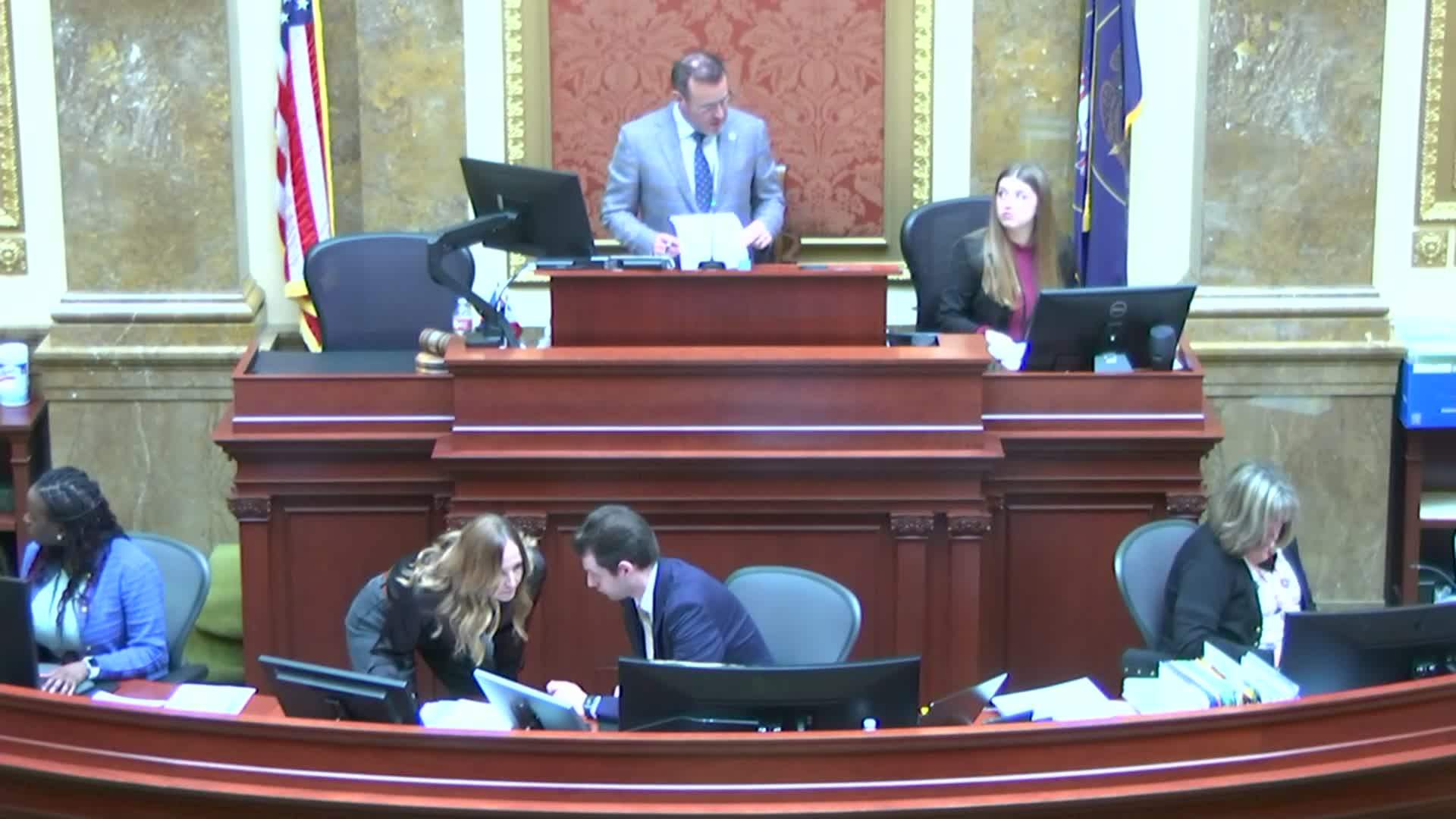
Summary
Lawmakers approved a third substitute to SB 254 to reorganize funding and modify severance‑tax treatment for critical minerals; proponents emphasized federal alignment and economic opportunity while some representatives raised air‑quality and fiscal concerns. The House passed the substitute 60–12.
The House on March 5 adopted the third substitute to Senate Bill 254 to organize a state effort on critical minerals, create a targeted committee and adjust severance tax thresholds and credit assignment rules.
Representative Shallenberger, sponsor of the floor motion, said the bill narrows credits, changes per‑mine thresholds (reducing $50 million for critical minerals to $10 million for other minerals), shortens a credit duration from 20 to five years and eliminates the ability to assign tax credit certificates to another entity. He framed the bill as positioning Utah to partner with federal programs and to grow domestic processing capacity.
Representatives from basin districts raised concerns that shifting funding sources could affect local air‑quality programs; Representative Watkins asked whether the substitute would defund an air‑quality program in Uinta County, and the sponsor responded that the substitute language does not include that change. Representative Snyder warned procedural time constraints for budget bills but supported continuing discussion in the budget process if needed.
The House adopted an amendment (House Amendment No. 1) for code clarifications and date changes, then passed the third substitute with a recorded vote of 60 yes and 12 no. The bill will be sent to the Senate for its consideration.
Next steps: The bill proceeds to the Senate, and sponsors signaled further work with federal partners and stakeholders on implementation details.