Get Full Government Meeting Transcripts, Videos, & Alerts Forever!
Get email alerts on the Education Professional Development topic
No spam. Unsubscribe anytime.
Millcreek teachers report classroom-ready lessons after national conferences
Summary
Teachers who attended national social studies and multilingual-learner conferences summarized classroom-ready activities, resources and strategies — and the district reported it serves more than 400 multilingual learners speaking 46 languages.
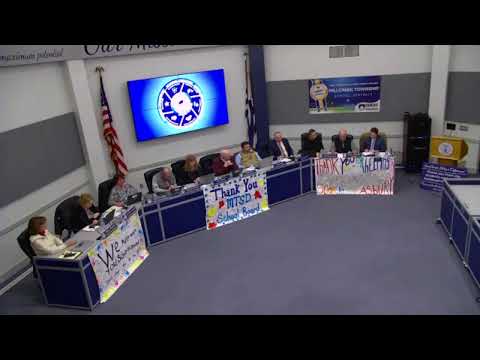
Teachers who attended recent national conferences told the Millcreek Township SD Board on Feb. 23 that they brought back practical lessons and resources they plan to use in classrooms.
"We were there with over 3,000 other social studies nerds," Danny Woods said during a recap of the National Council for Social Studies conference in Washington, D.C., where speakers addressed civil discourse, media literacy and classroom resources. Woods and colleagues described breakout sessions and ready-to-use activities designed to engage students across grade levels.
In a separate presentation, district multi-language learner (MLL) teachers described sessions on family engagement, AI-powered literacy tools and strategies to avoid conflating language acquisition with learning disabilities. One teacher announced the district will add multilingual library collections at certain schools to provide chapter books in students' home languages.
District staff provided a snapshot of the MLL program, reporting the district serves "over 400 students" representing "46 different languages," with Nepali, Ukrainian, Arabic, Telugu and Russian listed among the top languages. Teachers said many conference resources align with the district’s portrait-of-a-graduate work and could be implemented quickly in classrooms.
The teachers emphasized practical classroom applications — manipulatives, simulations and scaffolded supports — and plans to partner with museums and other organizations to obtain artifact boxes and teaching materials. They thanked the board for supporting conference attendance.
Next steps noted by staff and teachers included integrating selected activities into existing courses and expanding family engagement events for multilingual families.