Get Full Government Meeting Transcripts, Videos, & Alerts Forever!
Get email alerts on the East Hampton Mpd topic
No spam. Unsubscribe anytime.
Planning board recommends denying ICI Homes’ request to add 13 homes in East Hampton MPD
Summary
After extended public comment citing drainage, traffic, school capacity and lot‑size concerns, the board voted 6–0 to recommend denial to City Council of an amendment that would increase entitlements from 58 to 71 dwellings and reduce minimum lot sizes in the East Hampton MPD.
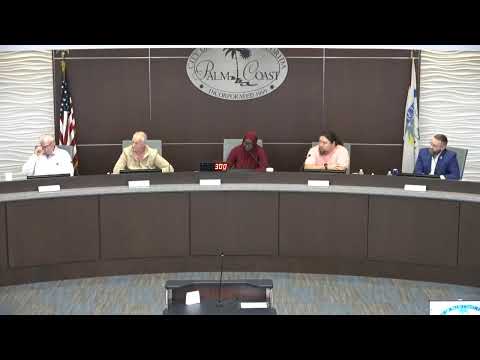
The Planning and Land Development Regulation Board on Dec. 17 recommended that City Council deny ICI Homes’ requested amendment to the East Hampton master plan development (MPD) that would raise the development’s entitlement from 58 to 71 single‑family homes.
City staff presented the request as an MPD amendment that would reduce minimum lot sizes (internal lots to 5,500 sq ft, some perimeter lots to about 6,600 sq ft), reduce certain setbacks (from 7.5 feet to 5 feet on interior sides) and add 13 dwelling units while modestly reducing the development footprint (staff estimated a decrease of about 7,500 square feet). Staff said the proposal would keep the site’s overall gross density below what county zoning once allowed and that many technical issues (utilities, stormwater, school concurrency, DEP approvals) would be addressed during subsequent plat and permitting processes.
Applicants James Stowers and Nika Hosseini of ICI Homes emphasized that rising construction and infrastructure costs make the additional units necessary for economic feasibility; the applicant said the proposed layout preserves significant wetlands and retains a 25‑foot perimeter buffer.
Residents — many of whom live adjacent to the site — voiced sustained opposition. Speakers said the neighborhood’s character would be harmed by smaller lots and tighter setbacks, pointed to recurring flooding and questioned whether the city’s utilities and roads could absorb more homes. Concerns included a new lift station location, school capacity impacts, the single primary access to the neighborhood and potential reductions in wetland acreage shown in the applicant’s materials. Typical resident comments included: “Putting more lots back there will only exacerbate drainage issues,” and “This was a negotiated settlement; the community relied on those commitments.”
Board deliberations focused on infrastructure and evidence. Board Member Decker said the application lacked sufficient up‑to‑date information on utilities, stormwater and emergency access; several other members said public testimony raised substantial concerns about compatibility and safety. Staff clarified that the MPD and associated settlement agreement can be amended but that utility capacity and DEP review remain required steps at later permit stages.
Action: Board Member Decker moved to recommend denial to City Council citing limited information and unresolved infrastructure concerns; the motion passed 6–0 on a roll call vote.
Next steps: The board’s recommendation will be transmitted to City Council. If Council approves an amendment, the developer would still need to complete the planning, platting and permitting process, including utility capacity reservations and any DEP approvals.
Direct quotes and public testimony in this article are taken from the board meeting transcript of Dec. 17, 2025.