Get Full Government Meeting Transcripts, Videos, & Alerts Forever!
Get email alerts on the Library Funding topic
No spam. Unsubscribe anytime.
Osage County libraries risk losing Nichols funding after late state budget filings
Summary
Library representatives told the commission that county budgets required under KSA 79‑29‑30 were flagged as not submitted, a lapse that could make Osage County ineligible for a small state grant and the larger Nichols system distributions that fund local libraries.
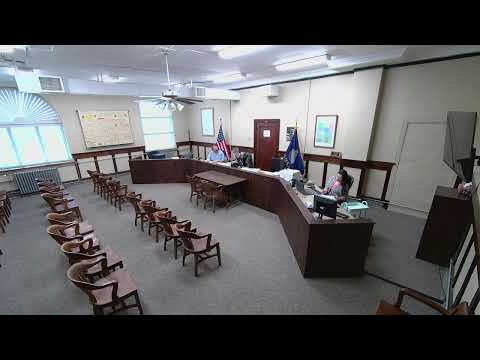
Library representatives and county staff told the Osage County Commission on March 3 that the state had flagged the county for missing budget submissions required by KSA 79‑29‑30, putting eligibility for a modest state grant and the Nichols system distributions at risk. "They're due by December 31," a library representative said, and without timely filings "we are not eligible for our Nichols system grants."
County Clerk Michelle Morris told the commission she had re‑sent the budgets and spoken with the state librarian, who confirmed receipt. "I resent them just for good measure yesterday," Morris said, and when she checked the state responded that it had received the materials. Library representatives said the Nichols funds are significant for the five county libraries and urged quick confirmation from the state so distributions—typically beginning in March—could proceed.
The commission discussed the statutory deadline (KSA 79‑29‑30) and whether notices from the state were received; library spokespeople described Nichols as a countywide pool of funds designed to share library costs across city and township libraries. One representative said the state grant was "not huge" (about $1,000, as described in the meeting) but that Nichols distributions were materially important to local operations.
Commissioners asked staff to keep communicating with the state and report back; the clerk said she had already spoken with state staff and would follow up. The commission did not take formal action beyond requesting confirmation and monitoring distribution timelines.