Get Full Government Meeting Transcripts, Videos, & Alerts Forever!
Get email alerts on the Governance Trust topic
No spam. Unsubscribe anytime.
Cupertino council workshop centers on rebuilding trust, public‑comment tension ahead of campaign season
Summary
At a Feb. 28 special workshop, council members and an external facilitator focused on repairing trust between council and staff, the use of codes of conduct, Brown Act limits on private deliberation and whether to move public comment later in meetings as the campaign season approaches.
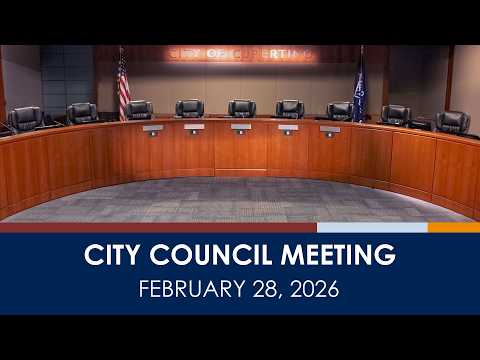
The Cupertino City Council held a special workshop Feb. 28 to address internal governance, the council–staff relationship and how public comment and campaign season pressures affect meetings. Mayor Woham opened the session and limited public comment to one minute per speaker. Resident Kathy Holverson used her minute to ask about the timeline for an environmental impact report, saying county work 'has been about a year' and she 'heard ... it should take another year.'
The council then heard a facilitated session led by an experienced local government practitioner who framed the workshop around teamwork, constructive conflict and trust. The presenter said the council's "superpower" is persuasion, and argued that disagreement about ideas can be productive while personal attacks and punitive use of conduct rules can be corrosive.
Several council members raised specifics. One council member argued that a civil grand jury process and detailed codes of conduct had at times been applied in a punitive way that "created distrust," limiting free conversation on the dais. The presenter and other members stressed starting from a presumption of trust and addressing concerns directly when trust erodes.
Council members debated how to manage public comment and campaigning. Mayor Woham and others expressed concern that campaign‑season rhetoric can make it harder to govern: "When you're under stress ... you're not going to think as creatively," the mayor said, arguing the council could consider moving oral communications later in the agenda so heavy items are not tackled while members are emotionally taxed. Another council member countered that public comment is protected speech and that plaintiffs’ ability to address specific members cannot be legally restricted.
The session also covered expectations for staff interactions. Council members sought "no surprises," clear, timely information and equal access to staff, while staff responses (as presented by the facilitator) emphasized providing "complete policy analysis" and accurate, timely legal support. City Manager Tina and staff reiterated that staff's role is to provide independent professional advice and to channel communications through the city manager's office.
The facilitator closed the conversation by urging the council to identify mutual expectations and to use prep sessions and early check‑ins to reduce friction. The mayor adjourned the special meeting and scheduled the next regular council meeting for March 3.
The workshop produced no formal actions; council members agreed to further follow‑up and check‑ins to operationalize standards for communication and conduct.