Law enforcement and advocates press House committee for strict cryptocurrency-kiosk rules
Loading...
Summary
Law enforcement, AARP and industry representatives told the committee that cryptocurrency kiosks pose a substantial fraud risk; lawmakers discussed proposed statewide rules including ID checks, daily caps, holds for first‑time users, blockchain analytics, mandatory reporting and refunds.
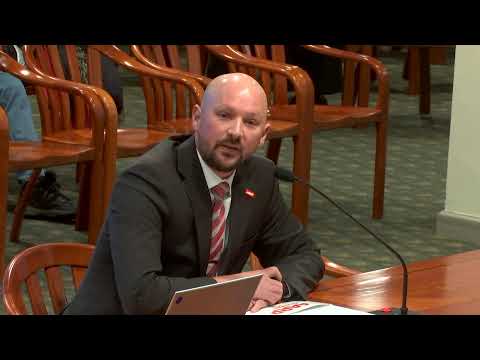
State and industry witnesses urged the House Regulatory Reform Committee on Wednesday to adopt statewide regulation of virtual-currency kiosks, citing widespread fraud targeting older adults and recommending mandatory identification checks, daily transaction limits and 24/7 operator support.
Chair Aragona said the bills (House Bills 54 69 and 54 70) aim to bring kiosk transactions under clear regulatory oversight and to add consumer protections such as a brief waiting period for first-time users and on‑machine fraud warnings.
Industry representatives from Bitcoin Depot and CoinFlip described current compliance measures and urged a unified statewide licensing approach. "We have physical warnings on the machine warning about the risk of fraud," Chris Edwards of Bitcoin Depot told the committee. Larry Lipka of CoinFlip said operators support holds and customer service that can stop scam transactions before they complete.
Law enforcement gave stark local data: Sterling Heights officials testified they have identified more than $600,000 in kiosk-related scams in the last 12 months and reported dozens of cases. Chief Andy Satterfield said mandatory photo ID, reasonable daily caps and a required operator registry would introduce accountability and help investigators trace funds and contact operators quickly.
Advocates from AARP Michigan urged low daily caps and mandatory refunds of fees in proven fraud cases, and cited federal complaint data showing significant statewide losses. "Older adults are disproportionately impacted by this crime," AARP's Cassie Thierfalder said, urging stricter caps and full refunds.
Industry witnesses said fraud rates for kiosks are measurable but not ubiquitous; one industry citation described a kiosk fraud rate near 1.2% and an overall crypto-fraud rate near 0.6%. Operators said they typically refund fees when scams are confirmed and favor holds and customer-service interventions to stop immediate losses.
Committee members sought data from operators on daily caps, fee structures and refund rates; the chair requested comparative state data and other legislative models. Law enforcement and advocates pressed for mandatory, enforceable safeguards rather than warnings alone.
Next steps: Committee members said they will continue negotiating bill language. The committee did not vote on the kiosk measures at the hearing; further markup and possible amendments were anticipated.