Subcommittee hears emotional testimony for H5013 firefighter cancer-screening bill; fiscal questions to be resolved
Loading...
Summary
House Bill 5013, which would require PFAS blood testing and occupational cancer screening for career and volunteer firefighters, drew personal accounts of cancer found through screenings and a debate over the program's fiscal cost; the subcommittee agreed to take more time to reconcile differing cost estimates before acting.
Lawmakers heard emotional testimony in favor of House Bill 5013, which would require the Department of Public Health to establish a firefighter occupational health program that includes PFAS blood testing and cancer screenings for active career and volunteer firefighters.
Sponsor Representative Teeple framed the bill around changing fire risks — synthetic building materials and electric-vehicle fires — and proposed making screenings biannual while ensuring volunteers are covered. "We've seen significant increases in cancer rates," the sponsor said and urged committee members to consider a lower adjusted cost estimate he cited (about $5.2 million annually) while committee fiscal documents showed a larger projection.
Union and firefighter witnesses described screenings that led to early cancer detection. John Baker, director of government relations for the Professional Firefighters Association of South Carolina, said a Charleston screening of just over 160 participants found three firefighters with thyroid cancer and other previously undetected cardiac issues. "Early detection saves lives," said firefighter Ryan Delk, who described being diagnosed with stage 1 papillary carcinoma after a screening and undergoing surgeries.
Roger Rodachowski, president of the Professional Firefighters of South Carolina and an IAFF representative, urged a firefighter-specific testing approach and disputed a $43.5 million fiscal estimate included with the bill, saying decentralized, medically certified testing could be implemented for a fraction of that cost; he cited an alternative estimate of more than $10 million and described personal medical bills exceeding $4 million.
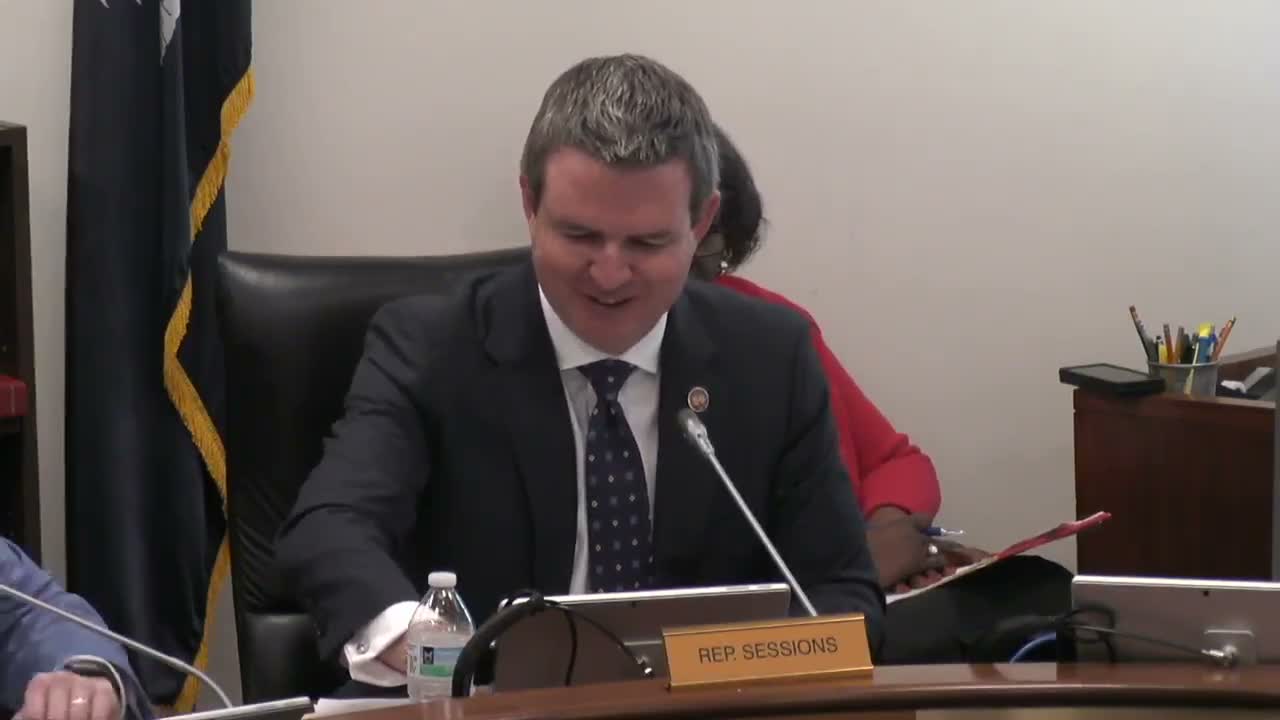
Committee members asked for more detailed fiscal analysis. Chair Heath Sessions said the subcommittee would pause work, address fiscal-impact concerns and return to the bill in about three weeks for further consideration.