
Residents press council for answers after cold-case remains identified
Get AI-powered insights, summaries, and transcripts
Subscribe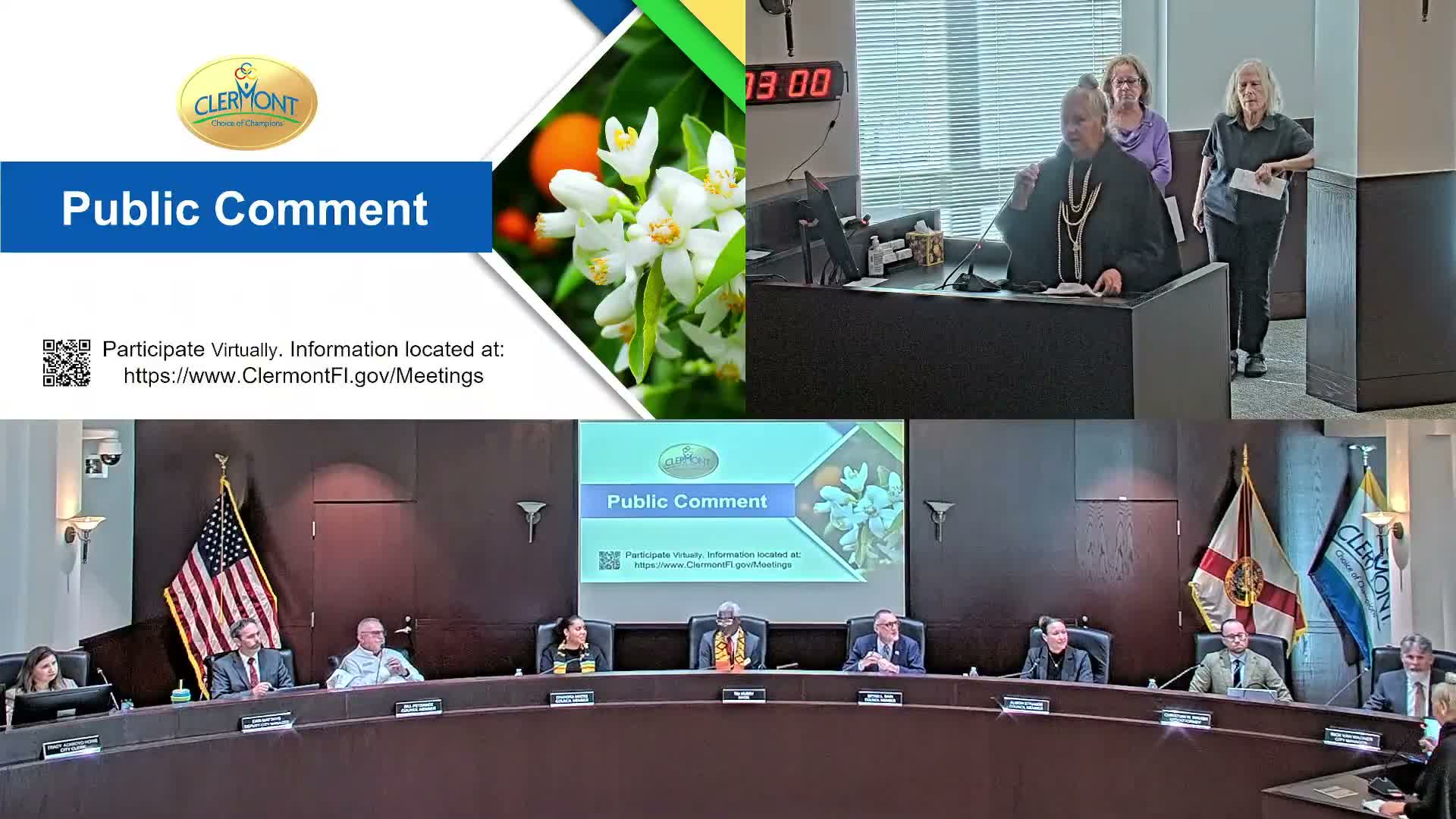
Summary
Speakers urged the city and police to follow up after remains found in 2009 were identified through new DNA genealogy; family members and long-time residents urged further investigation and asked staff to identify whether a 1976 Chevy Monte Carlo removed during site work is linked to the case.
At the start of the Feb. 24 meeting, several residents used the public-comment period to press city officials for follow-up in a decades-old missing-person case.
Sammy Taylor summarized recent reporting that remains recovered in 2009 were identified through DNA genealogy as Ernest Joe Manzanaras, a 23-year-old who went missing in 1988. Taylor said the case began with concerns about organized criminal activity surrounding the family and that the identification should prompt community members with information to come forward.
"The one thing that I'd like you all to realize from this story is that in this community, there's still a murderer who walks around, and if he's not alive, someone knows something," Taylor said, urging residents to provide tips to investigators.
Linda Charlton and Charlene Harrison, who previously raised the 'Mr. Bones' matter before past councils, asked the city to confirm whether a car chassis observed during construction at a former West Lake site matched a missing 1976 Chevy Monte Carlo and requested a point person—likely the police chief or city attorney—for follow-up. Charlton said evidence found in 2009 (teeth, bone fragments and clothing) had languished and requested clearer communication from law enforcement about whether the property owner or the city retains records about the vehicle that was seen during excavation.
Council and staff directed the speakers to coordinate with the police chief and city attorney; Mayor Murray asked staff to ensure the appropriate city officials follow up with the speakers and the family to clarify what records and physical evidence remain available.
Speakers characterized the case as an example of a cold case reopened by advances in forensic genealogy and urged the council to ensure the family's concerns are addressed.