Get Full Government Meeting Transcripts, Videos, & Alerts Forever!
Get email alerts on the Finance Audit topic
No spam. Unsubscribe anytime.
Shenandoah auditors give city a clean opinion; council approves 2024–25 financial report
Summary
Auditors presented the 2024–25 comprehensive financial report and issued an unmodified (clean) opinion; the council approved the report after brief questions about audit risks and minor internal‑control recommendations.
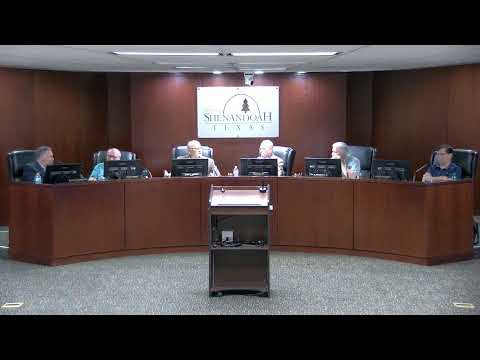
The Shenandoah City Council on Feb. 25 received the city’s 2024–25 annual comprehensive financial report and a clean audit opinion, and then voted to approve the document. Louis Breedlove, senior audit manager with Brooks Watson, told the council the firm issued an unmodified auditor’s opinion for the fiscal year.
"Happy to report a clean opinion," Breedlove said during his presentation, which accompanied a bound copy of the audit report and two required letters for council review.
The presentation summarized key fund changes: a roughly $320,000 increase in the general‑fund balance, a $39,000 decline in the debt‑service fund, a modest $112,000 increase in the hotel‑occupancy fund and a combined net increase of about $15,000 among smaller special‑revenue funds. Breedlove said revenues came in about $851,000 above budget — largely driven by forfeitures and higher‑than‑expected investment income — while expenditures were below budget by roughly $116,000.
Breedlove also reviewed the utility (proprietary) funds, saying operating income for 2025 was about $1.2 million and total net position was reported at about $31.6 million. He highlighted two required communication letters: one describing audit procedures and risks (including the inherent risk of improper revenue recognition) and a second with two minor internal‑control recommendations related to journal‑entry practices and bid procedures.
When a council member asked whether the audit had identified improper revenue recognition or misclassification, Breedlove said the letter reflects a new required communication about the general risk rather than a specific finding: "there's always a risk of management override, and there's always a risk of improper revenue recognition." He added that identified audit adjustments had been corrected by management.
After the presentation, Councilman Brock moved to approve the report and Councilman Pollard seconded. The council voted by voice and the motion carried.
The vote completes the audit‑report cycle for the 2024–25 fiscal year and leaves the administration to implement the auditors’ minor control recommendations and continue public‑facing financial disclosures.