Get Full Government Meeting Transcripts, Videos, & Alerts Forever!
Get email alerts on the ELL topic
No spam. Unsubscribe anytime.
District reports growth and gaps for English learners; outlines goals and classroom models
Summary
The district presented its Oregon English Learner annual report: multilingual learner populations have grown, third-grade reading and proficiency rates remain below stretch targets, and the district plans integrated/co-teaching elementary models, level-based ELD at middle school and trilingual supports at the high school.
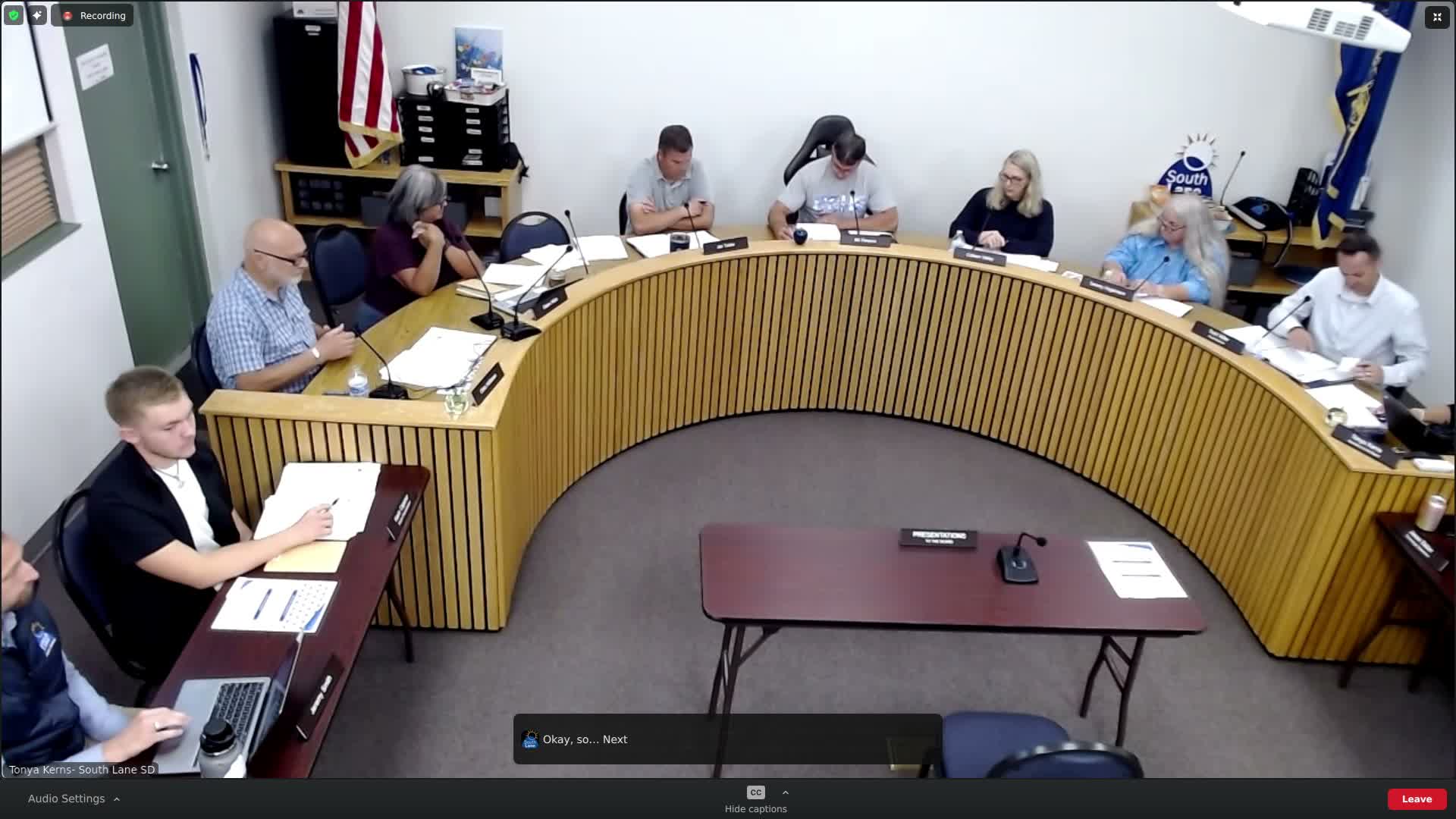
Jeremy (speaker 3) presented the district—s Oregon English Learners annual report, summarizing statewide trends and local programming. He said the population of multilingual learners has increased despite declining total enrollment statewide, and noted the district serves students speaking Spanish, Mam (an indigenous Guatemalan language) and other indigenous languages.
Jeremy described how the district measures English language proficiency (ELPA) across listening, speaking, reading and writing and the use of MAP Growth data to set SMART goals. He reported local measures vs. state benchmarks: roughly 53% on-track for ELP currently and plans to raise that to 70%, target a 5-year graduation rate improvement from about 55% to 65% for EL students, and increase on-track rates for dually-identified students (special education + multilingual needs). He described classroom models: an integrated/co-teaching model at elementary (services delivered in the general classroom), level-based ELD classes at middle school, and trilingual supports and translation services at the high school, plus after-school interventions and professional development (QTEL).
Board members asked about barriers to advanced-course access for multilingual learners; Jeremy cited interrupted formal education for some newly arrived students, literacy gaps and scheduling/transportation constraints. The district has set outreach and family-engagement practices, targeted after-school supports and plans to continue recruiting bilingual staff and interpreters.
Jeremy urged ongoing attention to access in advanced classes and to attendance as a lever for progress; the board requested further data on program participation and outcomes.