Get Full Government Meeting Transcripts, Videos, & Alerts Forever!
Get email alerts on the Municipal Finance topic
No spam. Unsubscribe anytime.
Pinellas Park sets 2024–25 millage at 5.65 mills; council notes public-safety funding gap
Summary
Pinellas Park’s City Council on Sept. 12 adopted a resolution establishing a 5.65 mills property tax rate for fiscal 2024–25, a 7.11% increase over the statutory rollback rate; staff said property tax revenue is estimated at $33,470,205 and noted a shortfall in public-safety funding the general fund must cover.
The Pinellas Park City Council on Sept. 12 adopted Resolution 24-17 to set the city’s 2024–25 millage rate at 5.65 mills, and the motion passed unanimously at the meeting’s first public hearing.
City staff presented charts showing taxable values and the state-mandated rollback calculation. Dan Cassianas explained that taxable value growth for the city was about 8.68% year‑over‑year and that, "by law, we have to disclose what that is and indicate what the percentage of increases over the rollback rate, which is 7.11%." He said the proposed millage (5.65) compares with the rollback rate of 5.2748.
The presentation said the city estimates property-tax revenue of $33,470,205 for the coming fiscal year and that property tax represents roughly 40% of the general-fund revenue. Cassianas also highlighted that police, fire and EMS costs create a shortfall: "we have a deficiency in public safety funding of $1,000,005, which the city has to pay for from other revenues in the general fund," he said.
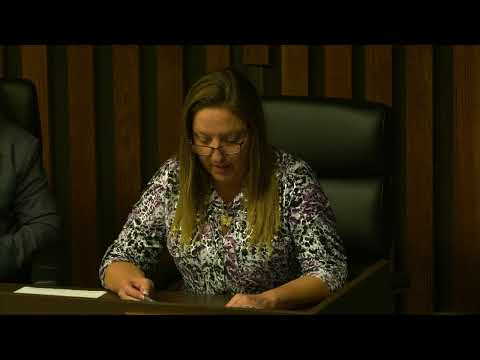
Mayor Sandra Lee Bradbury opened and closed the public hearing; with no members of the public speaking on the millage item, Councilmember Butler moved to adopt the resolution and council followed with a unanimous vote.
Why it matters: the millage rate determines the share of property-tax revenue the city collects and affects what a homeowner will pay once the property-appraiser’s assessed value and exemptions are applied. Cassianas noted a lag between assessed values (as of Jan. 1) and current market conditions, and said the rollback calculation excludes new construction and annexation.
What’s next: Resolution 24-17 was adopted at first public hearing and first reading on Sept. 12. The council will hold further budget hearings as required by state law before taxes are finalized.