
Senate advances statewide guardrails for classroom technology and AI, despite district concerns
Get AI-powered insights, summaries, and transcripts
Subscribe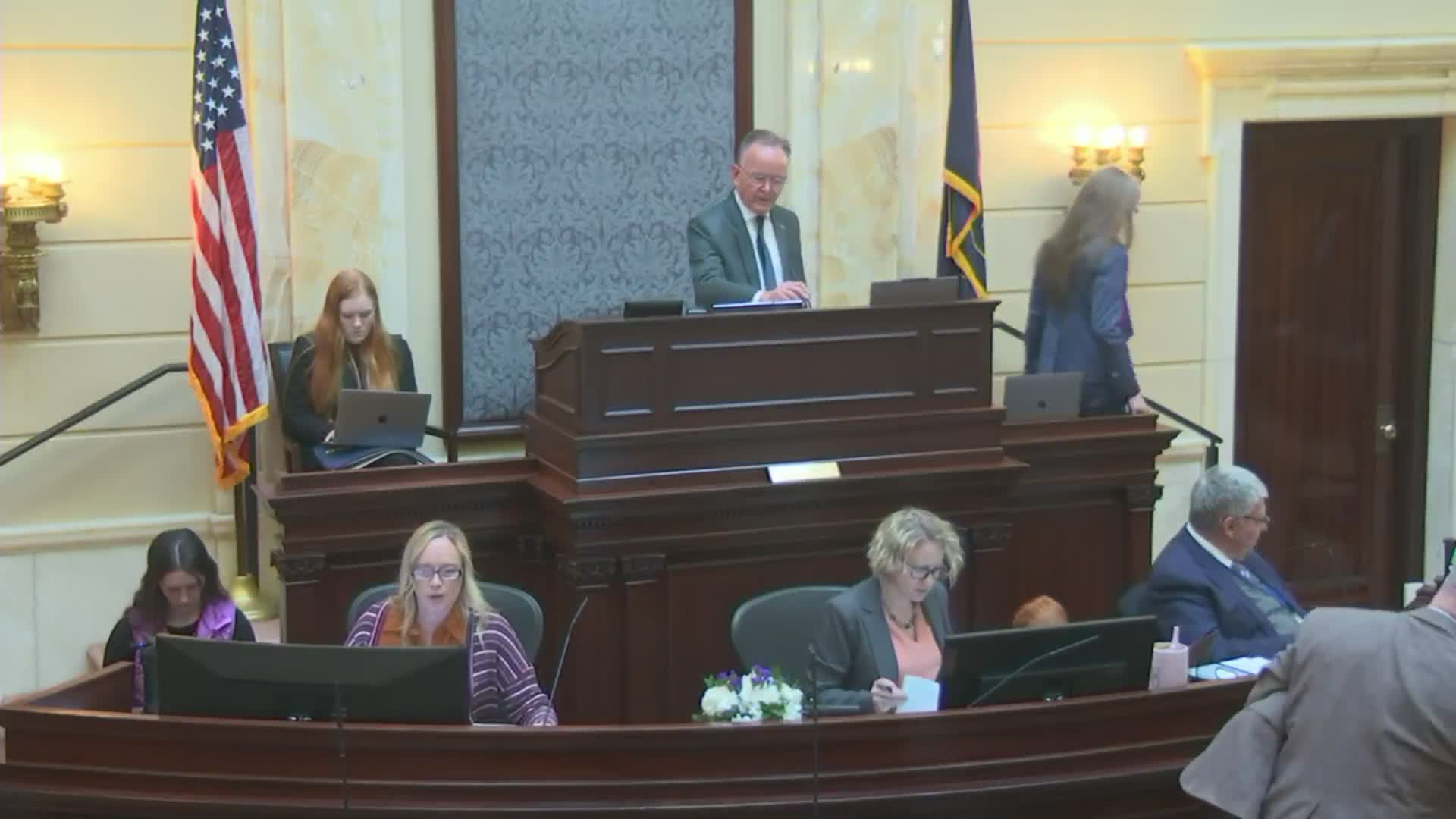
Summary
Senate approved a substitute to House Bill 273 to set model policies for classroom tech use, limit non-instructional screen time, and require AI literacy and parental notification; supporters said it preserves local control, while some school representatives warned of implementation ambiguity.
The Senate passed second-substitute House Bill 273 after floor debate that highlighted a tension between statewide guardrails and local control over instructional technology.
Senator Wilson, sponsor of the substitute, said the bill "brings balance to technology use in classrooms by setting statewide guardrails while preserving local control," describing three core goals: limiting non-instructional screen time, providing a model policy for districts to adopt through public meetings, and adding AI literacy to computer science standards while prohibiting AI as the sole grading authority.
Opponents and questioners — including Senator Eby and Senator Reby — raised concerns that the bill’s broad definition of "AI tool" could unintentionally sweep in commonplace software and create confusion for school districts. Senator Eby noted many classroom tools include AI-like functions and worried the language might restrict useful efficiency tools. Senator Reby asked whether the prohibition on mandating one-to-one devices in early grades would conflict with required state testing; sponsors responded district practices and testing accommodations would remain feasible under local adoption of the model policy.
The bill requires LEAs to adopt or adapt the state board’s model policy in a public meeting with opportunity for comment and mandates parent notification when AI tools are used for instruction. It also preserves individualized education program (IEP) accommodations.
The Senate recorded the passage of the second substitute (tally in transcript: 17 yea, 9 nay, 3 absent) and will return the substituted measure to the House for further consideration.